
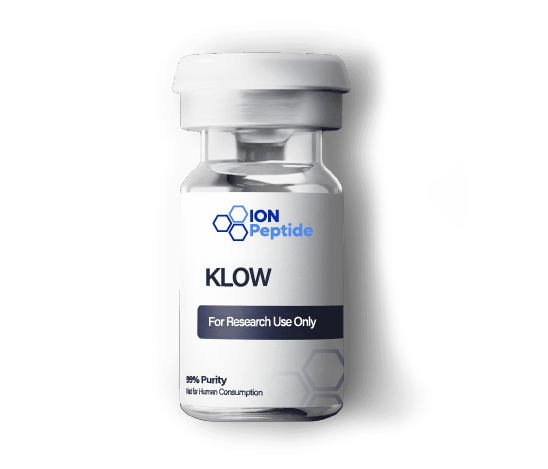
Introduction to KLOW Peptide
The realm of peptides is a rapidly evolving area of study in biomedical research and therapy. Among the many intriguing peptides generated, KLOW stands out for its unique properties and potential applications. This article delves into the multifaceted nature of KLOW, exploring its defined attributes, fundamental biological importance, and how it functions within the human body. Understanding KLOW entails recognizing its role not just in research but also in health and well-being, providing a comprehensive glance at its potential contributions to medicine and performance enhancement. For more detailed information, you can refer to the KLOW page.
Defining KLOW Peptide
KLOW is a peptide formed through the specific sequence of amino acids that play crucial roles in various physiological processes. Peptides, in general, are short chains of amino acids that can have significant biological activity. The KLOW peptide is particularly interesting due to its specific sequences which correspond with various biological functions, enhancing its appeal in both therapeutic and performance applications. Research in the peptide domain illustrates the potential implications of KLOW in health supplements, regenerative therapies, and age-related interventions.
Importance of Research in Peptides
The landscape of peptide research has garnered immense interest across multiple disciplines, driven by the discovery of how peptides interact with biological systems. This field is pivotal as it explores the use of peptides for targeted therapies, understanding their mechanisms, pharmacodynamics, and therapeutic potentials. With KLOW specifically, ongoing research helps to elucidate how such peptides can be utilized effectively in clinical scenarios, guiding scientists and healthcare professionals toward more refined and effective treatment modalities.
Basic Functions of KLOW
The KLOW peptide serves fundamental roles in various biological processes. Initial studies indicate its engagement in cellular signaling, metabolism regulation, and muscle recovery post-exercise. Furthermore, it may play a role in enhancing protein synthesis pathways, crucial for muscle development and repair. Understanding these basic functions forms the backbone for exploring the broader implications of KLOW in performance enhancement and therapeutic contexts.
Benefits of KLOW Peptide
The benefits of KLOW are manifold, influencing varied domains from athletic performance to cellular rejuvenation. Its potential effects have stirred interest in a broader audience keen on optimizing health and performance and mitigating age-related decline.
Enhancing Physical Performance
A significant aspect of KLOW is its potential in enhancing physical performance. This peptide may influence muscle growth and recovery, allowing individuals to reach their performance goals more effectively. Research suggests that KLOW could facilitate quicker recovery after intense exercise, minimizing downtime and enabling athletes to train more consistently. Moreover, by supporting muscle protein synthesis, KLOW contributes to muscle mass increase, critical for both athletes and those aiming for fitness improvements.
Potential Anti-Aging Effects
The anti-aging properties of KLOW form a compelling case for its study in longevity and wellness. The peptide’s role in promoting cellular repairs and regeneration could mitigate some effects of aging, such as muscle loss and decreased metabolic function. It may help maintain a more youthful physiological state, addressing concerns about vitality and health in older adults. The implications of KLOW in age-related therapies point towards a future where science intervenes effectively in the aging process.
Supporting Cellular Health
Cellular health is paramount, and KLOW appears to play a beneficial role in this domain by supporting optimal cellular function and repair mechanisms. Through various pathways, KLOW aids the maintenance of cellular structures, reduces oxidative stress, and promotes homeostasis. These functionalities underscore KLOW’s viability as a supplement for those looking to enhance overall health, particularly for individuals with chronic conditions or undergoing stressors that compromise cellular integrity.
Applications of KLOW Peptide in Medicine
Given the promising properties of KLOW, its applications extend into various medical fields, highlighting its versatility and potential for therapeutic interventions.
Uses in Regenerative Medicine
In regenerative medicine, KLOW shows expansive potential, particularly in promoting tissue regeneration and healing. Research efforts suggest that this peptide may aid in wound healing, accelerate recovery from injuries, and even contribute to the repair of damaged tissues. As regenerative techniques evolve, incorporating KLOW may enhance treatment outcomes for patients seeking to recover from injuries more efficiently.
Potential in Weight Management
KLOW’s influence on metabolism also opens doors in the realm of weight management. As weight loss and maintenance become critical health objectives for many, KLOW may provide support by improving metabolic rates and promoting lean muscle mass. By helping preserve muscle during weight loss, KLOW can simultaneously enhance fat loss, an essential factor for sustainable weight management strategies.
Role in Hormonal Balance
The potential role of KLOW in hormonal balance is another area being explored, particularly concerning anabolic hormones that are critical for muscle growth and overall health. If KLOW can positively influence hormone levels, it could serve as a supportive therapy for age-related declines in hormone production, thus contributing to overall physical and mental well-being.
Best Practices for KLOW Peptide Usage
Maximizing the benefits of KLOW requires an understanding of its proper use, including dosage, administration methods, and safety considerations.
Dosage Recommendations
Determining the right dosage of KLOW is vital for achieving desired outcomes without adverse effects. While specific recommendations may vary based on individual goals and physiological conditions, bringing a research-based approach to dosing is essential. An initial guideline suggests starting with lower dosages, assessing tolerance, and adjusting accordingly. Consulting with healthcare professionals remains crucial for personalized recommendations.
Administration Methods
KLOW can be administered through various methods, including subcutaneous injections, oral supplements, or topical applications, depending on intended outcomes. Each method presents pros and cons concerning bioavailability and ease of use. Scientific input on these routes through clinical studies is crucial to determine optimal methods for delivery.
Safety and Side Effects
As with any supplement or peptide, safety is a primary concern. Much of the existing research supports the relative safety of KLOW, but potential side effects should not be overlooked. Monitoring for adverse reactions, particularly during initial use, allows users to gauge personal tolerance. Both clinical studies and anecdotal reports provide insight into common issues, providing a data-driven basis for its safety profile.
Future Directions in KLOW Peptide Research
As the scientific community continues to unravel the complexities of KLOW, exciting future prospects and innovations are on the horizon.
Emerging Trends in Peptide Research
The landscape of peptide research is shifting, with significant emphasis on the development and exploration of new peptide compounds. Research into KLOW may align with broader trends emphasizing personalized medicine, preventative therapies, and biotechnology innovations. Understanding specific interactions of KLOW with various biological systems will be critical in guiding future research directions.
Innovations in Delivery Methods
Innovative delivery methods for peptides are gaining traction, enhancing the efficacy and convenience of administration. Advances in nanotechnology, for instance, may provide opportunities for enhancing the bioavailability of KLOW, leading to more effective absorption and utilization in the body. These innovations will continually shape the therapeutic landscape of peptides.
Potential Future Therapies
As research evolves, the therapeutic applications of KLOW are set to expand. Future therapies may integrate KLOW within protocols addressing chronic diseases, sports performance, and age-related conditions. Tailoring these therapies to individual patient needs could elevate their effectiveness and acceptance in mainstream medicine, paving the way for KLOW as a staple in modern therapeutic regimes.
FAQs about KLOW Peptide
What is KLOW Peptide used for?
KLOW Peptide is primarily researched for its potential benefits in enhancing physical performance, promoting muscle recovery, and supporting cellular health.
How should KLOW Peptide be administered?
KLOW can be administered via subcutaneous injections or taken as oral supplements, depending on individual preferences and therapeutic aims.
Are there any side effects associated with KLOW Peptide?
While KLOW is generally considered safe, some individuals may experience mild reactions. Monitoring is advisable during initial usage to assess individual tolerance.
Can KLOW Peptide help with weight management?
KLOW Peptide may assist in weight management by enhancing metabolism and preserving lean muscle mass during weight loss efforts.
Is KLOW Peptide effective in anti-aging therapies?
Research suggests that KLOW’s cellular regenerative properties may aid in anti-aging therapies by mitigating age-related cellular decline.