Understanding Kitchen Remodelling Manchester
What is Kitchen Remodelling?
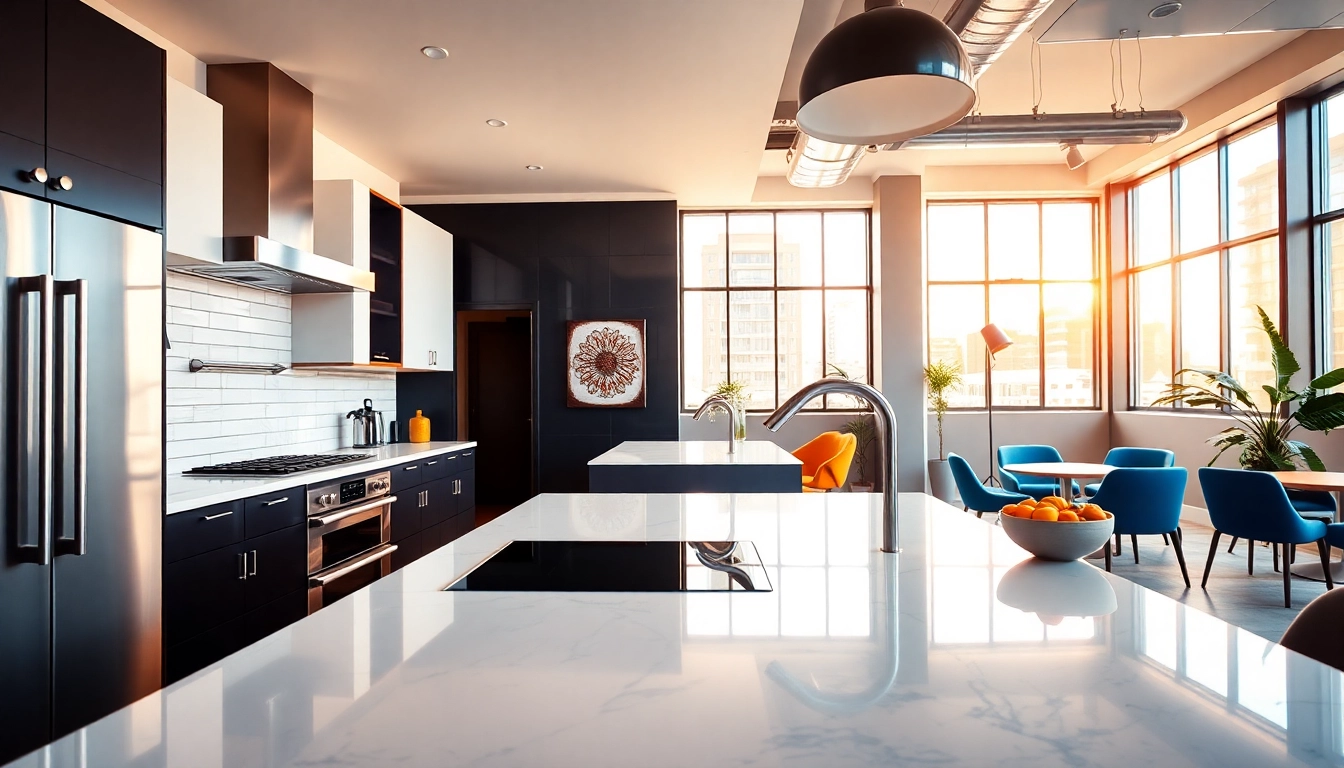
Kitchen remodelling refers to the process of updating or renovating your kitchen space to enhance its functionality, aesthetics, and overall value. This can involve various changes, such as altering the layout, replacing fixtures, and upgrading appliances or surfaces. The goal is to create a kitchen that not only meets your cooking and entertaining needs but also reflects your personal style and makes a positive impact in your home. This transformation can range from minor cosmetic changes to complete overhauls that require significant investment and planning. If you’re considering a kitchen makeover, exploring options through kitchen remodelling manchester can provide valuable insights into local resources and styles.
Benefits of Remodelling Your Kitchen
Remodelling your kitchen comes with a plethora of benefits that extend beyond mere aesthetic upgrades. Here are some key advantages:
- Increased Home Value: A well-remodelled kitchen can significantly increase the resale value of your home, making it an appealing feature for potential buyers.
- Enhanced Functionality: By rethinking your kitchen layout and design, you can create a more efficient workspace that better meets your needs.
- Modern Aesthetics: Updating fixtures, colors, and materials can give your kitchen a fresh, contemporary look that enhances the overall appeal of your home.
- Improved Energy Efficiency: Modern appliances and fixtures often come with energy-efficient options that can reduce your utility bills and minimize your carbon footprint.
- Personalization: Remodelling allows you to express your style and preferences, creating a space that truly feels like your own.
Common Trends in Kitchen Design
Staying abreast of modern design trends can help you create a kitchen that is both stylish and functional. Here are a few noteworthy trends currently influencing kitchen designs:
- Open Concept Layouts: Many homeowners are opting for open concepts that integrate the kitchen with living spaces, facilitating social interactions.
- Smart Technology: Integration of smart appliances and home technology enhances convenience and efficiency.
- Bold Colors and Patterns: While whites and neutral tones remain popular, many homeowners are embracing bold colors or patterned tiles as statement pieces.
- Natural Materials: Eco-friendly materials, such as reclaimed wood or stone, are favored for their aesthetic appeal and sustainability.
- Multi-functional Spaces: Kitchens are increasingly being designed for versatility, serving both cooking and entertaining purposes.
Planning Your Kitchen Remodelling Project
Setting Your Remodelling Budget
The budget is a critical element in any kitchen remodelling project. It is essential to consider not only the cost of materials and labor but also potential unforeseen expenses. Here’s a step-by-step guide to setting an effective budget:
- Determine Your Budget Limit: Assess your overall finances to establish a realistic budget that accounts for all aspects of renovation.
- Research Costs: Engage with local contractors to obtain quotes and understand the costs associated with different materials and finishes.
- Allocate Funds for Contingencies: It’s wise to set aside 10-20% of your budget for unexpected expenses that may arise.
- Prioritize Spending: Make a list of features that are essential versus those that are optional to ensure your funds are spent wisely.
- Consider Financing Options: If your budget falls short, explore financing avenues available for home renovations.
Choosing the Right Layout
The layout of your kitchen is foundational for its functionality and flow. Depending on your space, here are common layouts to consider:
- Galley Layout: Ideal for narrow spaces, this layout features two parallel counters with a walkway in between.
- L-Shape Layout: This layout maximizes corner spaces, creating an efficient work triangle for cooking, cleaning, and refrigeration.
- U-Shape Layout: Offering lots of counter space, this design encloses the cooking area, making it efficient and safe for multiple activities.
- Island Layout: An island can serve as additional counter space and a gathering spot, making it perfect for open-concept designs.
Identifying Your Style Preferences
Your kitchen should reflect personal tastes and lifestyle. Take time to explore various styles to find what resonates with you. Common kitchen styles include:
- Modern: Characterized by clean lines, minimalist decor, and a focus on functionality.
- Traditional: Features classic design elements such as wood cabinets and ornate details.
- Farmhouse: Emphasizes rustic charm with natural materials and vintage finishes.
- Contemporary: A blend of modern aesthetics and current trends, often incorporating elements from various styles.
- Industrial: Highlights raw materials, often with an urban feel, including exposed brick and metal finishes.
Selecting Materials and Finishes
Countertops: Popular Choices
Countertops play a vital role in the functionality and look of your kitchen. Here’s an overview of popular materials:
- Granite: Known for its durability and variety of colors, granite adds a luxury touch to kitchens.
- Quartz: Engineered stone that combines durability with an extensive range of designs and finishes.
- Marble: A timeless classic, marble offers striking beauty but requires more maintenance.
- Butcher Block: Ideal for food prep, butcher block countertops add a warm, inviting feel.
- Concrete: This versatile material can be customized and stamped to achieve various looks.
Cabinet Materials Explained
The cabinets you choose have a significant impact on your kitchen’s overall ambiance. Consider these materials:
- Wood: Offers a warm aesthetic and can be finished in numerous ways, though hardwoods can be pricier.
- Laminate: A budget-friendly option that comes in various colors and styles but may not offer the same durability as wood.
- Metal: Often used in industrial-style kitchens, metal cabinets are durable and easy to maintain.
- Glass: Glass-front cabinets can create an open feel and showcase beautiful dishware.
- Painted Finishes: Painted cabinets can rejuvenate a kitchen while allowing for personalization with color.
Flooring Options for Your Kitchen
The right flooring is essential in a kitchen; it should withstand spills, heat, and heavy foot traffic. Explore these popular flooring choices:
- Tile: Durable and water-resistant, tile is available in various styles, including ceramic and porcelain.
- Hardwood: Offers warmth and beauty, though it may require more maintenance than other materials.
- Vinyl: A cost-effective and versatile option available in various designs, including those mimicking natural wood or stone.
- Bamboo: An eco-friendly choice that is sustainable and resistant to moisture.
- Laminate: Simulating various textures and colors, laminate is an affordable alternative to high-end flooring options.
Working with Professionals in Manchester
Finding Qualified Contractors
Hiring the right contractor is crucial for the success of your kitchen remodel. Follow these steps to find a qualified professional:
- Seek Recommendations: Ask friends or family for referrals to trusted contractors.
- Check Credentials: Ensure that the contractors are licensed, bonded, and insured.
- Review Portfolios: Examine previous work to assess their style and quality.
- Request Quotes: Obtain multiple quotes to compare services and pricing.
- Read Reviews: Online platforms can provide valuable insights into the experiences of past clients.
Understanding the Design Process
Knowing what to expect during the design process is essential for a successful remodel. Here’s a general overview:
- Initial Consultation: Discuss your ideas, budget, and style preferences with your designer or contractor.
- Concept Design: Designers will create initial sketches or 3D models to visualize the new space.
- Material Selection: Choose materials, finishes, and fixtures based on your design and budget.
- Final Design Approval: Review and approve the final designs before construction begins.
- Implementation: The actual building phase begins, where your vision starts to come to life.
Managing the Project Timeline
Keeping your project on track requires careful management. Take note of the following aspects:
- Establish a Timeline: Work with your contractor to create a realistic timeline that includes each phase of the remodel.
- Set Milestones: Identify key benchmarks to track progress and ensure that the project remains on schedule.
- Regular Updates: Maintain communication with your contractor for timely updates on the project’s status.
- Adjust for Delays: Be prepared for potential delays and have contingency plans in place.
- Final Walkthrough: Conduct a final inspection to ensure everything meets your expectations before completion.
FAQs About Kitchen Remodelling Manchester
How long does a typical kitchen remodel take?
A kitchen remodel generally takes anywhere from a few weeks to several months, depending on the scope of the project and complexity of the design.
What’s the average cost of kitchen remodelling in Manchester?
The average cost can vary greatly but typically ranges from £5,000 to £20,000+, depending on the size of the kitchen and the materials used.
Should I hire a designer for my kitchen remodel?
Hiring a designer can save time and help avoid costly mistakes. They bring expertise in space planning and aesthetics that can enhance your remodel.
What are essential features for modern kitchens?
Some essential features include energy-efficient appliances, ample storage solutions, quality countertops, and smart home technology integration.
Can I remodel a kitchen on a tight budget?
Yes, you can prioritize specific upgrades, utilize cost-effective materials, and consider DIY elements to stay within budget while achieving impactful changes.