Understanding Mitsubishi Mini Split AC Systems
What is a Mitsubishi Mini Split AC?
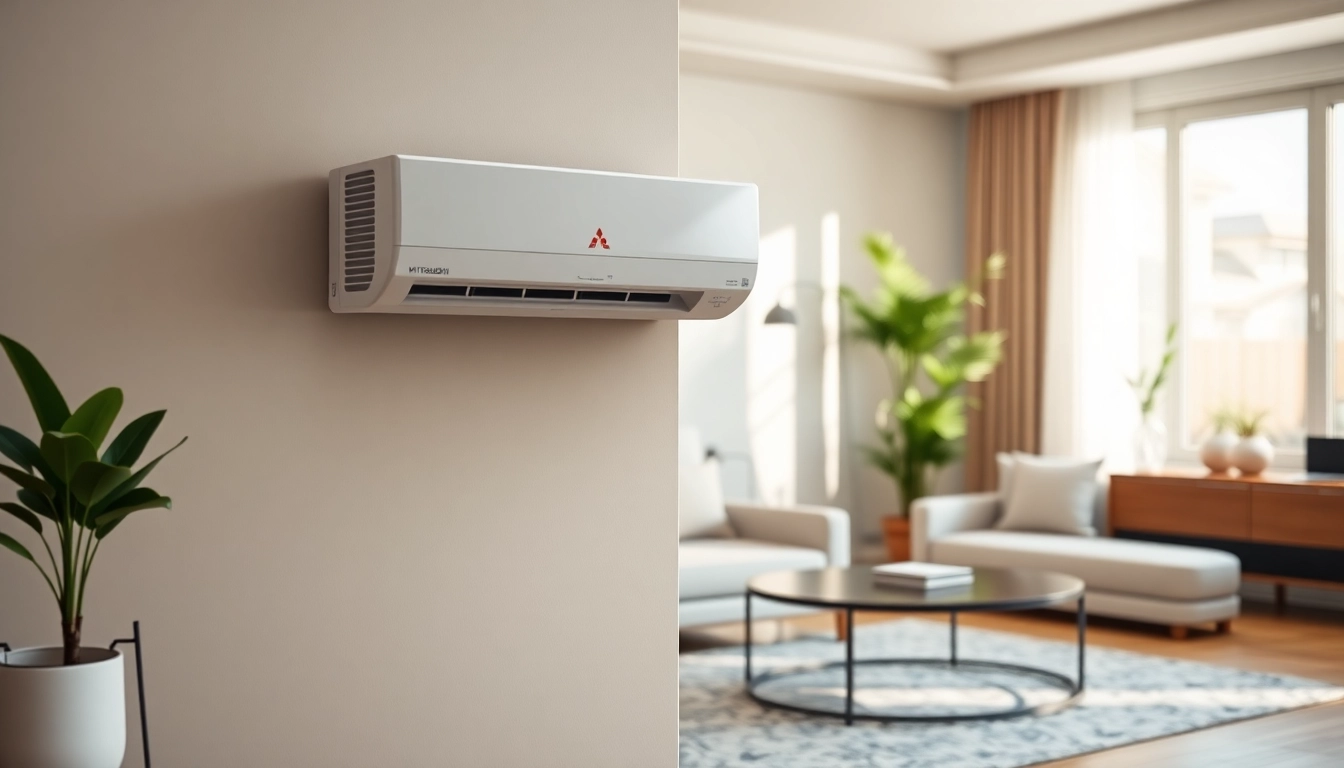
The mitsubishi mini split ac is a highly efficient air conditioning system designed for both heating and cooling. Unlike traditional HVAC systems, it does not require ductwork, making it ideal for homes without existing ducts or those looking to replace older systems. The mini split system consists of an outdoor compressor unit and one or more indoor air-handling units, providing versatile temperature control for individual rooms or zones. This setup allows for easy installations, less invasive modifications, and enhanced energy savings, while also promising users a more customized comfort experience.
Key Features of Mitsubishi Mini Split AC
Mitsubishi mini split AC systems are renowned for their advanced features designed to maximize efficiency and comfort. Here are some of the key features:
- Inverter Technology: This technology adjusts the compressor speed to maintain desired temperatures more efficiently, using less energy.
- Flexibility: With various indoor unit styles, including wall-mounted and ceiling cassettes, the systems can adapt to diverse installation needs.
- Quiet Operation: Designed to operate quietly, units are ideal for bedrooms, offices, and areas requiring minimal disturbance.
- Wi-Fi Capabilities: Many models come with smart technology, allowing users to control their system remotely through mobile apps.
- Multiple Zones: Mitsubishi mini split systems can service multiple zones, enhancing personalization of climate control across various rooms.
Comparing Mitsubishi Mini Split AC with Traditional Systems
When comparing Mitsubishi mini split AC systems to traditional HVAC units, several factors come into play:
- Energy Efficiency: Mini split systems utilize inverter technology, enhancing energy savings significantly compared to the conventional on/off systems of traditional units.
- Installation: Mini splits are easier and faster to install because they do not require extensive ductwork, saving time and construction expenses.
- Space Requirement: Ductless systems typically consume less space both indoor and outdoor, making them suitable for smaller homes and apartments.
- Comfort Control: Mitsubishi mini split ACs allow for customized heating and cooling in individual rooms, unlike central systems which provide a one-size-fits-all temperature.
Benefits of Mitsubishi Mini Split AC for Homeowners
Energy Efficiency and Cost Savings
Mitsubishi mini split AC systems are designed with energy efficiency in mind. Due to their inverter technology, they can maintain desired temperatures using significantly less energy than traditional systems. This results in lower utility bills and more sustainable energy use. Additionally, the flexibility to heat and cool specific areas of the home ensures that energy is not wasted on unoccupied spaces.
Flexible Installation Options
The ductless design of Mitsubishi mini split AC units provides homeowners with unparalleled flexibility. Installation can be done in diverse ways: wall-mounted, ceiling-mounted, or as floor consoles, depending on the layout of the home and personal preferences. This flexibility allows for installation in places where traditional air conditioning might be impractical, such as attics, basements, and small rooms.
Improved Air Quality and Comfort
Many Mitsubishi mini split AC systems include advanced filtration that helps to improve indoor air quality by capturing dust, allergens, and other pollutants. Moreover, by providing consistent and quiet operation, these systems enhance overall comfort levels within a home, leading to healthier indoor environments and better subjective experiences for residents.
Installation Guide for Mitsubishi Mini Split AC
Preparing Your Home for Installation
Before installation begins, assess your home’s layout and energy requirements. Identify ideal locations for both the indoor and outdoor units, preferably in areas where air circulation can be maximized. Ensure that you have adequate space for installation and that any necessary electrical upgrades are completed before the system is set.
Step-by-Step Installation Process
The installation process for a Mitsubishi mini split AC typically involves the following steps:
- Install the outdoor unit: Choose a level location with proper drainage and ensure sufficient air circulation around the unit.
- Mount the indoor unit: Select a high position on a wall or ceiling to ensure optimal air distribution.
- Connect refrigerant lines: Use necessary tubing to connect the indoor and outdoor units while maintaining the proper slope for drainage.
- Electrical connections: Complete the wiring between the units, ensuring that the outdoor unit is connected to a proper power supply.
- Test the system: Once installation is finished, run the system to ensure it operates correctly and effectively.
Common Installation Challenges and Solutions
While installing a Mitsubishi mini split AC, several challenges may arise:
- Accessing installation points: Ensure easy access to the walls and outdoor locations to avoid drilling unnecessary holes.
- Refrigerant leaks: Properly tightening the connections and using leak detectors can mitigate these risks.
- Improper electrical supply: Assess the electrical capacity beforehand to avert any burnout or system failure.
Maintenance Tips for Your Mitsubishi Mini Split AC
Regular Maintenance Practices
To keep your Mitsubishi mini split AC functioning smoothly, adhere to these regular maintenance practices:
- Regularly clean or replace filters, generally every 1-3 months, ensuring optimal airflow and efficiency.
- Inspect and clean coils and condensate drains to prevent buildup and ensure system efficiency.
- Schedule annual professional check-ups to identify potential issues before they escalate into severe problems.
DIY Maintenance vs. Professional Services
Homeowners can perform basic maintenance tasks such as cleaning filters and ensuring proper airflow. However, for complex issues such as refrigerant levels, internal component cleaning, or significant repairs, professional services are advisable. Professionals can ensure systems are running at peak performance and address safety concerns related to refrigerants.
Signs Your Mitsubishi Mini Split AC Needs Repair
Keep an eye out for the following signs that your system may be due for repairs:
- Increased energy bills without an associated increase in temperature settings.
- Strange noises or odors, which may indicate potential mechanical problems or refrigerant leaks.
- Inconsistent cooling or heating, particularly if certain rooms are hotter or colder than expected.
Frequently Asked Questions about Mitsubishi Mini Split AC
How energy-efficient is the Mitsubishi mini split AC?
The Mitsubishi mini split AC is highly efficient, often rated with SEER (Seasonal Energy Efficiency Ratio) ratings above 20, which translates to lower energy costs.
Can Mitsubishi mini split AC units cool multiple rooms?
Yes, Mitsubishi mini split AC systems can feature multi-zone capabilities, enabling multiple indoor units to cool different rooms from a single outdoor unit.
How long does it take to install a Mitsubishi mini split AC?
The installation time varies but typically takes anywhere from a few hours to a full day, depending on the complexity of the setup.
What is the lifespan of a Mitsubishi mini split AC?
With proper maintenance, Mitsubishi mini split AC systems can last 15 to 20 years, similar to traditional HVAC systems.
Are Mitsubishi mini split AC units easy to maintain?
Yes, they are relatively easy to maintain. Regular filter cleaning and annual professional servicing can help maintain their efficiency.