Understanding Contract Management
Definition and Importance
Contract management is the process of systematically managing contracts made with customers, vendors, partners, or employees. It involves the negotiation, execution, and analysis of contracts to maximize operational and financial performance while minimizing risk. Effective contract management is crucial as it ensures that all parties honor their commitments while providing clarity and structure. A strong foundation in Contract Management. practices not only enhances relationships but also supports compliance and regulatory requirements.
Key Components of Contract Management
The key components of contract management include:
- Contract Creation: Drafting and negotiating terms that align with business objectives.
- Contract Execution: Ensuring that all parties sign the contract and commence obligations.
- Contract Monitoring: Keeping track of compliance with contract terms and deadlines.
- Contract Renewal or Termination: Making informed decisions about renewing, renegotiating, or terminating contracts based on performance.
- Performance Evaluation: Analyzing the outcomes of contracts to inform future negotiations.
Common Challenges in Contract Management
Contract management often faces various challenges that can impact its effectiveness:
- Lack of Standardization: Disparate processes lead to inconsistencies in negotiating and managing contracts.
- Inadequate Tracking: Failing to monitor key dates, obligations, and performance metrics can result in missed opportunities.
- Communication Gaps: Poor communication between teams or departments can lead to misunderstandings and legal disputes.
- Compliance Risks: Failure to comply with legal and regulatory requirements can result in significant penalties.
Best Practices in Contract Management
Streamlining Workflow Processes
Streamlining workflow processes involves the optimization of each step in the contract management lifecycle. Using checklists and standard operating procedures can minimize errors and ensure consistency. Automating repetitive tasks, like approvals and reminders, can save time and reduce the chance of oversight. Additionally, transparent communication across departments ensures that everyone is informed about their responsibilities within the process.
Effective Risk Management Strategies
Developing effective risk management strategies is critical for successful contract management. This includes identifying potential risks at the outset—such as financial limitations or supply chain disruptions—and developing mitigation strategies. Regular compliance audits can help businesses stay aligned with legal requirements. Building clauses that allocate risk appropriately within contracts ensures that all parties understand their liabilities.
Utilizing Technology for Efficiency
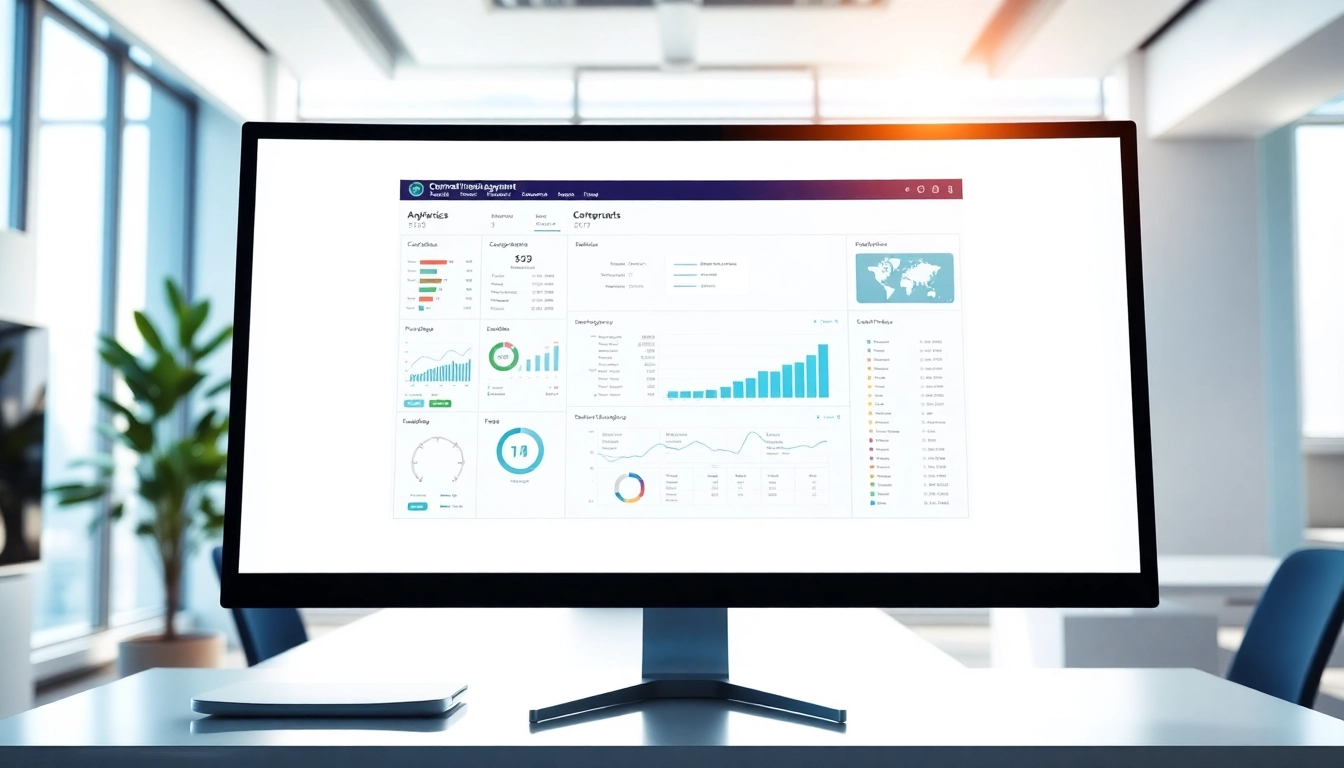
Technology plays a pivotal role in enhancing contract management efficiency. Utilizing contract lifecycle management (CLM) software can centralize contract storage, improve document retrieval, and enable real-time collaboration. Many advanced CLM systems come equipped with features such as automated alerts for key dates and advanced analytics for future contract negotiations. Leveraging such tools can streamline processes and minimize manual errors.
Implementing a Contract Management System
Choosing the Right Software
Selecting the right contract management software is foundational to improving contract management practices. Evaluate your organization’s specific needs, considering factors like scalability, integration with existing systems, user-friendliness, and cloud-based access. Request demonstrations and collect feedback from potential users to find a solution that enhances productivity while meeting compliance standards.
Training Your Team
Effective implementation of a contract management system necessitates thorough training for your team. Provide comprehensive training sessions that cover the software’s functionalities, best practices in contract creation, and management. Encouraging a culture of ongoing learning will empower employees, ensuring they feel confident in utilizing the system effectively and understanding the strategic importance of contract management.
Monitoring and Evaluation
Regular monitoring and evaluation of contract management processes are vital for continuous improvement. Set periodic reviews to assess compliance with contract terms and analyze performance metrics. Utilize feedback from stakeholders to identify areas for refinement. This ongoing evaluation allows for adjustments in strategies, enhancing overall effectiveness and profitability in contract management.
Performance Metrics for Contract Management
KPIs to Track Success
Establishing performance metrics, or Key Performance Indicators (KPIs), is essential for gauging the success of your contract management practices. Common KPIs include:
- Cycle Time: The time taken from contract request to execution.
- Compliance Rate: The percentage of contracts adhering to legal and organizational standards.
- Cost Savings: Measuring reductions in procurement costs due to effective contract negotiations.
- Renewal Rate: The frequency at which contracts are renewed or renegotiated favorably.
Analyzing Data for Improvement
Collecting and analyzing data related to contract performance provides insights into operational efficiencies and weaknesses. Utilizing analytics tools enables organizations to uncover patterns, such as common causes for contract disputes, which can enhance future negotiations. A data-driven approach allows for strategic adjustments that foster continuous improvement within contract management.
Adjusting Strategies Accordingly
Your organization should remain agile, ready to adjust strategies based on performance metrics and external market conditions. Regularly revisit your contract management practices and make modifications as necessary. Embracing feedback from stakeholders will guide decision-making, ensuring that the contract management approach aligns with overall business objectives.
Future Trends in Contract Management
Automation and AI Integration
The future of contract management is heavily leaning towards automation and artificial intelligence (AI). AI tools can assist in drafting contracts, predicting outcomes based on historical data, and flagging potential risks in existing contracts. Embracing these technologies not only saves time but also enhances accuracy, leading to better negotiation strategies and compliance management.
Compliance and Regulatory Changes
Contract management must continuously adapt to evolving compliance and regulatory environments. Organizations must stay updated on changes in industry regulations and incorporate them into their contract workflows. Regular training and updated policy materials will ensure that legal requirements are consistently met, safeguarding the organization against potential disputes and liabilities.
Shifts in Contractual Negotiation Practices
Negotiation practices are changing, focusing more on collaborative approaches rather than confrontational settings. Employing methods that prioritize mutual benefit can lead to smoother contract negotiations, fostering long-term relationships. The rise of digital communication tools enhances the ability for remote negotiations, making it essential to embrace technology while developing new negotiation tactics.
FAQs
What is the primary purpose of contract management?
The primary purpose of contract management is to ensure that all parties comply with their contractual obligations, maximizing performance and minimizing risks throughout the contract lifecycle.
How can technology improve contract management?
Technology, particularly contract lifecycle management software, streamlines processes, enhances collaboration, and provides tools for monitoring compliance, ultimately improving efficiency and accuracy.
What are common challenges in contract management?
Common challenges include lack of standardization, inadequate tracking of key dates, poor communication between departments, and managing compliance risks, all of which can hinder effectiveness.
What key performance indicators should I track?
Key performance indicators include cycle time, compliance rate, cost savings from negotiations, and renewal rates, which collectively measure the effectiveness of contract management practices.
How can I ensure my team is well-prepared for contract management?
Providing comprehensive training, encouraging ongoing learning, and utilizing technology can empower your team to effectively manage contracts and understand their strategic importance.