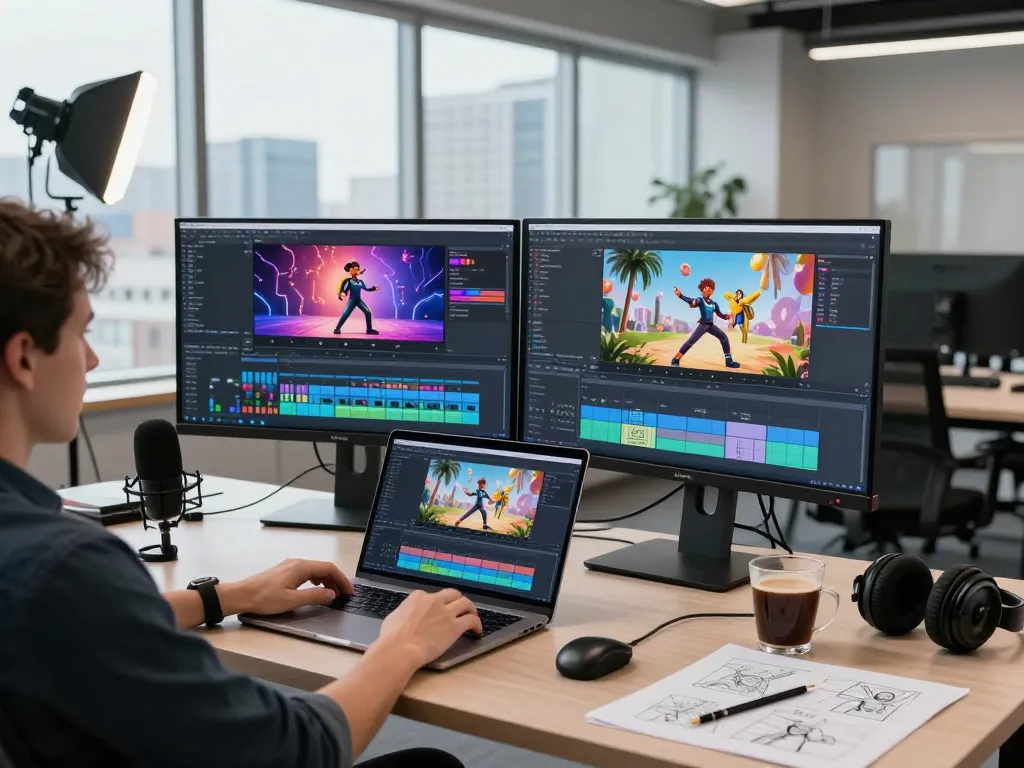
Understanding Kling Motion AI Technology
Kling Motion AI is revolutionizing the way we create videos by integrating advanced machine learning and computer vision techniques to transform static images into dynamic video sequences. This innovative technology simplifies the process of video generation, making it accessible to both professional content creators and casual users alike. By harnessing the power of AI, Kling Motion AI provides a platform that not only generates high-quality videos but also allows precise control over character movements and expressions, leading to more engaging narratives.
When exploring options, Kling motion ai offers comprehensive insights and tools that help users maximize their creative potential.
What is Kling Motion AI?
Kling Motion AI is a state-of-the-art platform designed for converting still images into animated videos. By utilizing deep learning algorithms, it effectively analyzes images to extract key features and subsequently applies motion based on reference videos. This cutting-edge technology ensures that the generated videos maintain realistic movement patterns, preserving the identity and expressions of the characters involved.
Its architecture is built upon years of research in computational graphics and motion analysis, making it a reliable choice for users looking to produce high-quality content without extensive training in animation techniques.
How Does Kling Motion AI Transform Image-to-Video?
The process of transforming images into videos with Kling Motion AI involves several steps. Users begin by uploading a reference image, which can be a full-body or half-body photo. The next step is to upload a reference video that demonstrates the desired movements. This reference serves as a guide for the AI, which then analyzes the motion patterns and applies them to the static image, resulting in a fluid animation that mimics the reference video.
After generating the motion, users can further refine the video by employing text prompts that instruct the AI on specific details regarding the character’s actions or the atmosphere of the scene. Once satisfied with the output, users can export their high-quality video, all in a matter of minutes.
Comparative Analysis with Other AI Video Models
When compared to other AI video generation tools, Kling Motion AI stands out for its accuracy and control. Many traditional models may struggle with character identity preservation or suffer from visual drift, leading to inconsistencies in animated sequences. In contrast, Kling’s 2.6 engine maintains facial features, body proportions, and clothing consistency across frames, which is critical for professional-grade video production.
Additionally, Kling Motion AI offers advanced functionalities such as synchronized camera movements and character actions, allowing users to compose cinematic shots that tell a coherent story, which many competing platforms lack.
Getting Started with Kling Motion AI
Getting started with Kling Motion AI is straightforward, even for those new to video creation. Understanding the setup and requirements is crucial for optimal use.
Setting Up Your Workspace for Optimal Use
First, ensure that your workspace is conducive to creativity. A good quality computer with a reliable internet connection will enable faster uploads and processing times. Familiarize yourself with the platform’s interface, which is designed to be user-friendly and intuitive, allowing easy navigation through the various features.
Additionally, setting aside time for experimentation can help users discover the platform’s full potential, particularly in areas like motion control and text prompt usage.
Upload Requirements: Images and Reference Videos
To achieve the best results in video generation, there are specific upload requirements to keep in mind:
- Upload a clear image of the character, either full-body or half-body, with a visible background.
- The image should have a minimum duration of 3.5 seconds and a maximum file size of 150MB.
- Reference videos should ideally match the framing of the uploaded image (e.g., full-body video for a full-body image).
These specifications are crucial for ensuring that the Kling AI can accurately interpret and apply the motion intended for the character.
Creating Your First Video: Step-by-Step Guide
Creating your first video with Kling Motion AI involves a simple three-step process:
- Upload Your Image: Start by selecting and uploading the image you wish to animate.
- Add a Reference Video: Upload a motion video that demonstrates the actions you want to replicate. This provides the AI with the necessary context for movement.
- Generate Your Video: Click the ‘Generate’ button to let Kling Motion AI process the image. Review the preview of the generated video and export it if you’re satisfied with the results.
This streamlined approach allows users to quickly and efficiently create professional-quality animations that are ready for sharing.
Best Practices for Using Kling Motion AI
To maximize the output quality of Kling Motion AI, consider adopting the following best practices.
Maximizing Character Identity and Expression
Maintaining character identity is crucial, especially for projects requiring consistent branding or storytelling. Ensure that your reference images are well-lit and clearly depict the character’s features. This will help the AI in accurately preserving identity and delivering lifelike expressions in the generated video.
Utilizing multiple angles or different expressions in your reference images can also enhance the final output, allowing for a richer storytelling experience.
Effective Use of Text Prompts for Enhanced Outputs
Text prompts greatly influence the video’s atmosphere and actions. Crafting detailed prompts that describe not just the actions, but also the context and emotions of the scene can lead to more nuanced animations. For instance, rather than simply instructing the AI to “dance,” prompts like “dance energetically with a joyful expression” provide greater specificity, yielding more engaging results.
Avoiding Common Pitfalls in Video Generation
Even with the advanced capabilities of Kling Motion AI, there are common pitfalls to be aware of. One major issue is failing to match the orientation and framing of your image and reference video. Misalignment can result in unnatural motions and visual inconsistencies. Always ensure that the reference video complements the image in terms of body orientation to avoid these problems.
Furthermore, avoid uploading overly complex or fast-paced reference videos initially; simpler movements allow the AI to better analyze and replicate the actions accurately.
Advanced Techniques for Professional Results
Once you’re comfortable with the basics of Kling Motion AI, you can explore more advanced techniques for enhancing your video outputs.
Synchronizing Actions and Camera Movements
One of the standout features of the Kling Motion AI is its ability to synchronize character movements with camera actions. Utilizing independent camera controls, users can pan, zoom, and create transitions that complement the character’s actions. This dynamic approach ensures a professional-quality cinematic experience that captivates viewers.
Experimenting with various camera movements can dramatically alter the tone and impact of the video, making it crucial to integrate these techniques effectively.
Using Reference Clips for High-Fidelity Outputs
Selecting the right reference clips is essential for achieving high-quality animations. Choose clips that embody clear and controlled movements, as well as minimal camera drift. This will not only help the AI track actions more accurately but also maintain the character’s positioning throughout the animation.
It’s also beneficial to incorporate motion reference videos that showcase the range of motion you wish to capture, allowing for more expressive outputs in your final video.
Creating Viral Content: Insights from Successful Videos
Understanding what makes content viral can provide invaluable insights into how to enhance your own videos. Factors such as relatable themes, emotional storytelling, and visually compelling scenes are critical to engaging viewers. Analyzing trending videos created with tools like Kling Motion AI can provide inspiration on how to craft your narratives and visual presentations effectively.
Engaging with your audience through storytelling, humor, or unique perspectives will help elevate your work, maximizing the shareability of your content.
Future Trends in Motion Control AI for 2026 and Beyond
The landscape of motion control AI is evolving rapidly, with several trends on the horizon that could reshape video content creation in the coming years. Keeping an eye on these developments will prepare creators to integrate advancements as they become available.
Emerging Features and Technologies in AI Video Tools
Expect to see enhanced capabilities in motion control AI tools, including more sophisticated algorithms that can interpret complex scenes and actions with ease. As computational power increases, we may witness real-time processing of video generation, allowing for even faster turnaround times and more interactive experiences.
Predictions for Industry Impact on Filmmaking
As motion control AI becomes more mainstream, its influence on traditional filmmaking will become significant. Filmmakers may increasingly turn to AI to complement their creative processes, generating storyboards or even entire scenes based on initial concepts and scripts.
Technology integration could lead to a new era of collaborative filmmaking, where human creativity is enhanced by powerful AI capabilities.
Potential Use Cases Across Different Sectors
Beyond entertainment, the applications of motion control AI extend into various fields such as education, marketing, and virtual reality. In education, for instance, animated videos can enhance learning experiences, making complex concepts more accessible and engaging.
In marketing, brands can utilize motion AI to create dynamic ads that capture consumer attention in innovative ways, bridging the gap between traditional and digital marketing efforts.
How Can Kling Motion AI Be Used for Commercial Projects?
Utilizing Kling Motion AI for commercial projects opens a wealth of opportunities for brands looking to create unique content that resonates with audiences. Businesses can leverage the platform to produce advertisements, social media content, and training materials that stand out in the crowded marketplace.
By complying with licensing and copyright regulations, companies can harness the capabilities of Kling Motion AI to elevate their branding efforts and enhance customer engagement.