Understanding the Role of a Plumber Near Me
When plumbing issues arise, knowing what to look for in a service provider can save you time, money, and stress. That’s why finding a reliable Plumber near me is essential for maintaining your home’s plumbing systems. This guide will delve into the multifaceted role of plumbers, explore the services they offer, and discuss why local expertise matters.
1. Basic Responsibilities of a Plumber
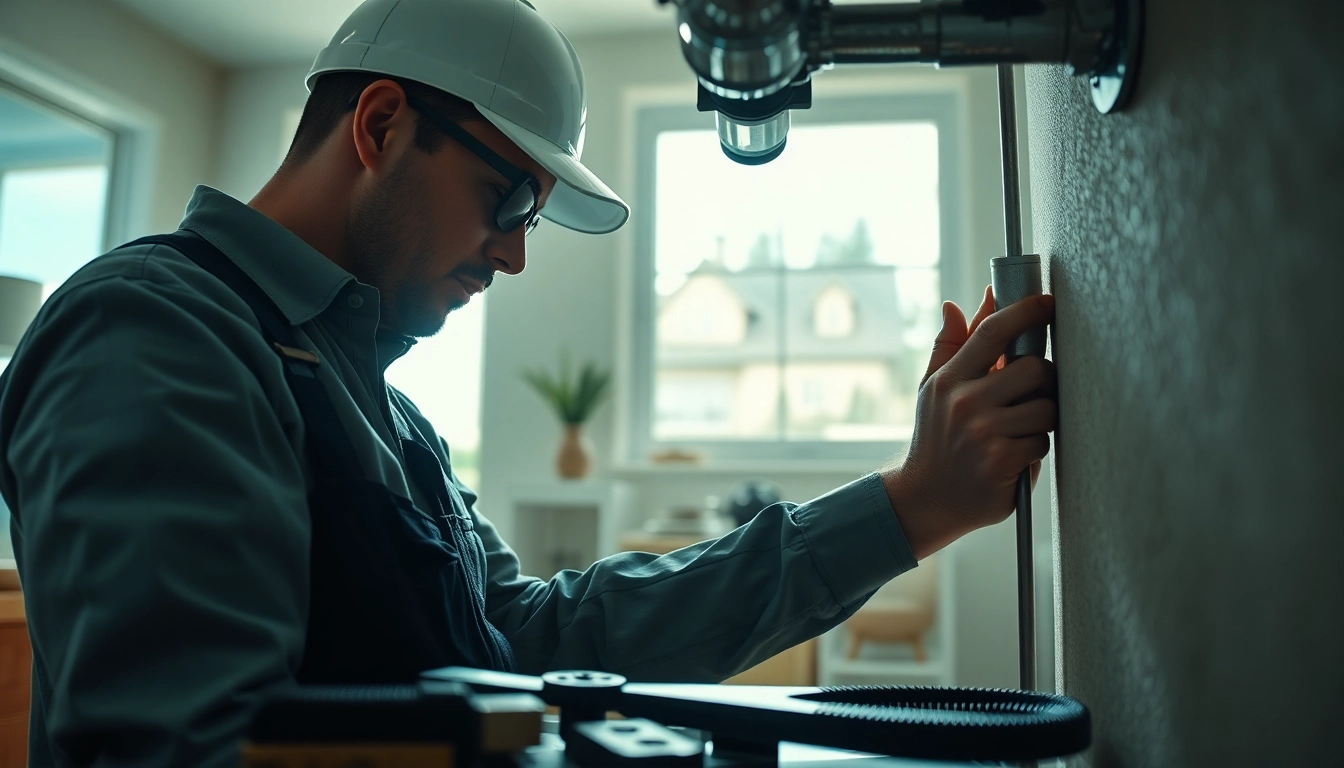
Plumbers are experts in installing and repairing systems used for drinking water, sewage, and drainage. Their responsibilities commonly include:
- Installation: Setting up pipes, fixtures, and appliances requiring water flow.
- Repair: Fixing leaks in pipes, faucets, or toilets, and addressing low water pressure issues.
- Maintenance: Conducting routine checks to prevent future problems, ensuring systems run efficiently.
- Drain cleaning: Clearing out clogs and ensuring proper drainage.
2. Types of Services Offered
Different plumbing services cater to varied needs. Some of the most common include:
- Residential plumbing: Focusing on home plumbing systems, such as plumbing installations in kitchens and bathrooms.
- Commercial plumbing: Involving larger systems in business environments, which often require more robust solutions.
- Emergency plumbing: Providing urgent service for significant leaks, burst pipes, or clogged toilets.
- Water quality solutions: Installing filtration systems or softeners to improve water quality.
3. Importance of Local Expertise
Choosing a local plumber has key advantages:
- Familiarity with Local Codes: Local plumbers understand the regulations in your area, ensuring compliance and preventing legal issues.
- Quick Response Times: Proximity allows for faster service, which can be crucial during emergencies.
- Community Reputation: Local professionals often rely on their reputations within the community, ensuring quality service.
How to Find a Reliable Plumber Near Me
Finding a dependable plumbing provider requires research and consideration. Here are several strategies to help you choose wisely:
1. Checking Online Reviews
Online reviews are a goldmine of information. Platforms like Google, Yelp, and Angie’s List allow you to see past customer feedback, giving insights into quality and reliability. Look for professionals with consistently high ratings and read through both positive and negative reviews to get a balanced understanding.
2. Asking for Recommendations
Word of mouth remains one of the most trustworthy methods of finding service providers. Speak with friends, family, or neighbors about their experiences. Personal recommendations can lead you to skilled plumbers who have already proven themselves.
3. Evaluating Experience and Credentials
When considering a plumber, evaluate their experience and credentials. Relevant licenses and insurance are essential to protect yourself from liability. Choose plumbers with a solid background and relevant certifications, which indicate proficiency in their trade.
Common Plumbing Issues and Solutions
Understanding common plumbing problems and potential solutions can help you identify when it’s time to call a professional.
1. Clogged Drains and How to Prevent Them
Clogged drains are a frequent plumbing problem. They usually stem from debris accumulation over time. To prevent clogs, consider the following:
- Use drain guards to catch hair and debris.
- Avoid pouring grease down the sink.
- Regularly clean drains with hot water or vinegar and baking soda.
2. Leaky Taps: Causes and Treatments
Leaky taps can waste significant water and lead to higher utility bills. Common causes include worn-out washers or corroded components. Treating leaks often involves:
- Replacing washers or gaskets.
- Reassembling handles and spouts to ensure they’re secure.
- If necessary, consult a plumber for complex repairs.
3. Identifying Signs of Emergency Plumbing
Recognizing emergency plumbing situations can save you from extensive damage. Key signs include:
- Sudden drops in water pressure.
- Unusual noises from pipes or appliances.
- Water puddles in areas where they shouldn’t be, like beneath sink cabinets.
Cost Factors for Plumbing Services
Understanding the costs associated with plumbing services is crucial for budgeting. Here’s what influences pricing:
1. Understanding Pricing Structures
Plumbers may charge either a flat fee or hourly rates. Flat fees can cover specific services or standard repairs, while hourly rates depend on project complexity and location. Clarifying pricing beforehand helps avoid unexpected costs.
2. Factors That Influence Costs
Several elements can tilt plumbing costs upwards:
- Emergency services: Usually command higher rates.
- Materials used: Premium materials will increase overall costs.
- Complexity: More complex repairs requiring extensive labor can cost more.
3. How to Get Accurate Estimates
To receive accurate estimates, consider the following steps:
- Provide detailed descriptions of issues.
- Request itemized quotes to understand the breakdown.
- Seek multiple estimates to compare services and pricing.
DIY Plumbing Tips for Homeowners
For those inclined toward DIY repairs, knowing your limits is essential to avoid making problems worse. Here are effective tips:
1. Simple Repairs You Can Handle
Many minor plumbing tasks are manageable with basic skills. Simple repairs include:
- Replacing a showerhead.
- Fixing a running toilet.
- Unclogging small drains with a plunger or snake.
2. Tools Every Homeowner Should Have
Your toolbox should be stocked with essential plumbing tools, such as:
- Pliers for gripping and turning.
- A pipe wrench for tightening fittings.
- Sealants and tapes for securing leaks.
3. When to Call a Professional Plumber Near Me
Knowing when to escalate problems to a pro is vital. Here are scenarios that require professional help:
- Major leaks that cause flooding.
- Broken pipes requiring replacement.
- Drainage issues that persist despite DIY efforts.
FAQs
1. What should I consider before hiring a plumber?
Check their reviews, licenses, experience, and pricing structure. Additionally, ensure they offer emergency services if necessary.
2. How can I prevent plumbing issues?
Regular maintenance, like inspecting pipes and fixtures, and being mindful of what goes down the drains can help prevent issues.
3. What are signs that I need a plumber immediately?
Signs include significant leaks, sewage smells, low water pressure, and unusual noises from pipes that require urgent attention.
4. Are all plumbing services the same?
No, services can vary significantly. Residential and commercial plumbing needs differ, as do emergency and routine repairs.
5. How often should I have my plumbing inspected?
It’s advisable to have plumbing systems inspected at least once a year, or more frequently if you experience recurring issues.