
- Understanding the Role of a Manhattan Commercial General Contractor
- Factors to Consider When Hiring a Manhattan Commercial General Contractor
- The Importance of Communication in Construction Projects
- Common Challenges with Manhattan Commercial General Contractors
- FAQs About Choosing a Manhattan Commercial General Contractor
Understanding the Role of a Manhattan Commercial General Contractor
What is a Commercial General Contractor?
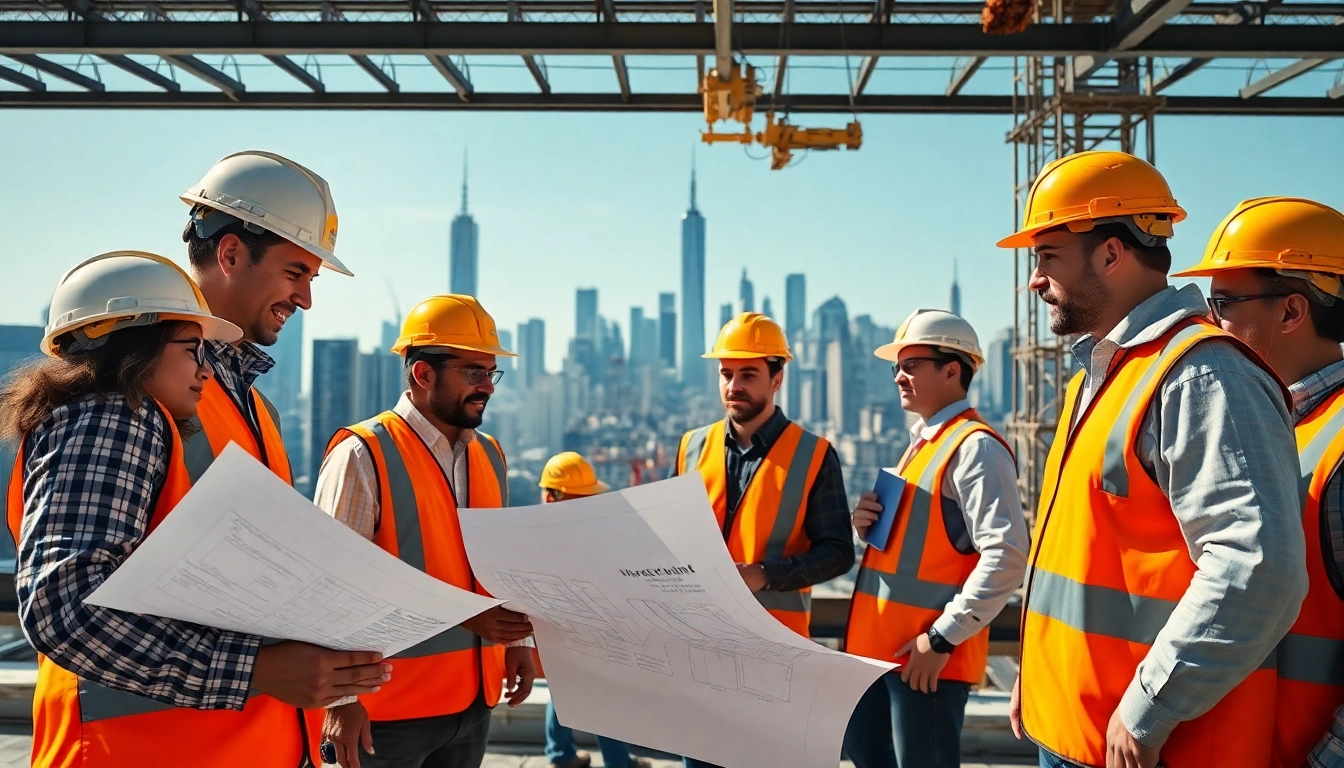
A Manhattan Commercial General Contractor serves as a crucial figure in the construction process, acting as the main point of contact for clients and subcontractors alike. This professional is responsible for orchestrating various elements of a project, ensuring that everything from permits to labor meets industry standards and client expectations. Commercial general contractors are involved in the planning, execution, and completion of construction projects, which can range from retail outlets to corporate offices.
Key Responsibilities and Benefits
The responsibilities of a commercial general contractor encompass a wide range of tasks designed to streamline the construction process. Key responsibilities include:
- Project Management: Overseeing the entire project lifecycle from conception to completion.
- Budget Management: Ensuring the project stays within financial limits while meeting quality standards.
- Subcontractor Coordination: Hiring and managing subcontractors to carry out specific tasks.
- Quality Control: Maintaining quality throughout the construction process to meet client standards.
- Safety Regulation Compliance: Ensuring all construction practices adhere to local safety regulations.
These responsibilities not only facilitate a smoother construction phase but also bring benefits such as risk reduction, time management, and enhanced communication among all stakeholders involved.
Why Location Matters in Manhattan
Manhattan is a unique market with its own set of challenges and opportunities. The city’s high real estate values, stringent regulations, and diverse architectural styles require a contractor who understands the local landscape. Navigating these complexities is essential for successful project execution. A Manhattan commercial general contractor brings invaluable local expertise, including understanding zoning laws and navigating the city’s demanding permits and regulations. Their established relationships with local suppliers and subcontractors can lead to more efficient project timelines and cost savings.
Factors to Consider When Hiring a Manhattan Commercial General Contractor
Industry Experience and Expertise
When selecting a commercial general contractor, assessing their industry experience and area of expertise becomes vital. An established contractor with a proven track record in Manhattan can offer the nuanced understanding necessary for successful project delivery. Look for contractors who specialize in the type of construction you require, whether it’s office buildings, retail spaces, or mixed-use developments. A thorough review of their past projects, including pictures and descriptions, can provide insight into their capabilities.
Client Testimonials and Reviews
Client testimonials and online reviews form an essential part of the due diligence process. Reading feedback from past clients can help gauge the contractor’s reliability and quality of work. Pay attention to comments on aspects like communication, timeliness, and professionalism. Online platforms, such as industry-specific review sites, can provide an unbiased view of the contractor’s reputation, aiding in your decision-making process.
Certifications and Licensing Requirements
Ensuring that a general contractor is properly licensed and certified to operate in Manhattan is critical. Verify that they meet city, state, and federal requirements. This ensures that they have the requisite training and knowledge to handle complex construction processes and adhere to safety standards. Furthermore, certifications from recognized construction organizations can indicate a commitment to ongoing education and adherence to current trends and technologies in the industry.
The Importance of Communication in Construction Projects
Establishing Clear Expectations
Effective communication sets the foundation for a successful construction project. It begins with outlining clear expectations from the outset. Both the contractor and client should align on project scope, timelines, and budgetary constraints to avoid misunderstandings later in the project. Utilizing detailed contracts and documented plans will serve as references throughout the construction process, maintaining clarity and understanding.
Utilizing Technology for Transparency
Integrating technology into the communication strategy can enhance transparency between contractors, clients, and subcontractors. Project management software facilitates real-time updates and document sharing, allowing all parties to track progress and address concerns. Applications that store and manage project documents, schedules, and communications can significantly streamline processes and mitigate potential issues.
Regular Updates and Feedback Loops
Establishing regular updates ensures all stakeholders stay informed about project progress. Weekly or bi-weekly meetings can create a platform for discussing advancements, addressing concerns, and adjusting timelines if needed. Feedback loops encourage open dialogue, allowing clients to express concerns early, leading to quicker resolutions and a more collaborative environment.
Common Challenges with Manhattan Commercial General Contractors
Handling Delays in Construction Timelines
Delays in construction are often unavoidable and can arise due to various factors, such as weather impacts, labor shortages, or supply chain disruptions. A skilled contractor will proactively communicate potential delays and develop contingency plans to mitigate their impact. Establishing realistic deadlines and including buffer time in project schedules can also help manage client expectations and improve satisfaction.
Navigating Regulatory Approvals
Navigating the maze of regulatory approvals in Manhattan can be complex and time-consuming. A knowledgeable contractor will have experience with the specific legal codes and zoning regulations of the area. They can facilitate obtaining the necessary permits more smoothly, avoiding potential roadblocks that could derail project timelines.
Cost Management Strategies
Effective cost management is a vital element of any construction project, especially in the economically vibrant but expensive environment of Manhattan. A capable general contractor will implement strategies, such as detailed project budgeting and schedule management, to keep expenses under control. Regular financial reviews and ongoing communication regarding costs can help ensure that there are no unpleasant surprises as the project progresses.
FAQs About Choosing a Manhattan Commercial General Contractor
What should I look for in a general contractor?
Look for industry experience, client reviews, and proper licensing. Confirm their project history matches your needs and assess their communication skills.
How do I verify a contractor’s credentials?
Check their licensing through state databases, ask for references, and review their past projects. Confirm certifications from recognized industry organizations.
What is the average timeline for commercial projects?
The timeline can vary widely based on project scope, but general commercial projects typically range from a few months to over a year. Discuss specifics early on.
How can I manage construction costs effectively?
Establish a detailed budget upfront, utilize cost tracking software, and maintain open communication with your contractor to adjust plans as needed.
What are the communication expectations with my contractor?
You should expect regular updates, scheduled meetings, and timely responses to inquiries. Make sure these details are clarified at the project start.