
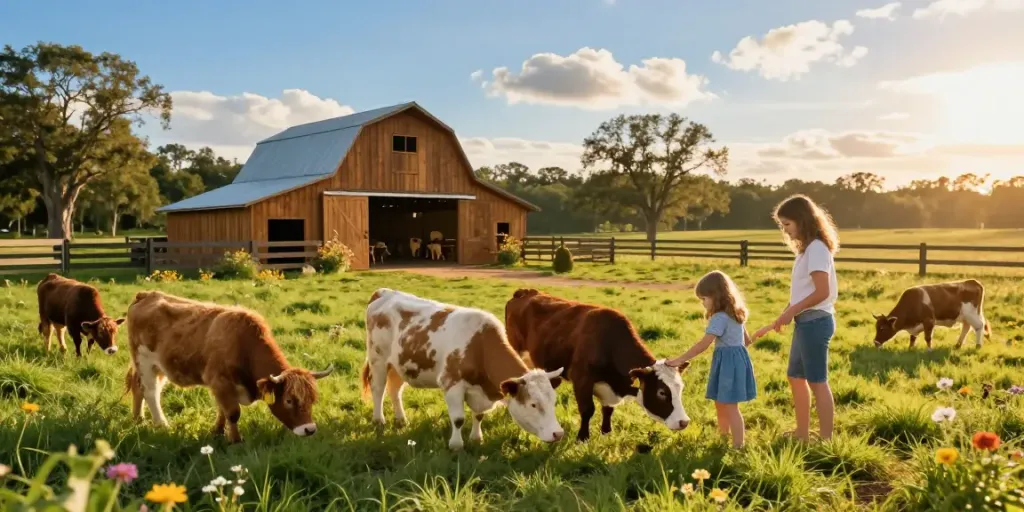
Understanding Miniature Cows
Miniature cows are charming, compact alternatives to standard-sized cattle, perfect for those looking for both companionship and agricultural benefits. These gentle giants, often weighing less than half of their larger counterparts, are increasingly popular among hobby farmers, families, and those seeking unique pets. The growing trend in miniature cattle ownership can be attributed to their manageable size, friendly demeanor, and the various benefits they offer. For those exploring options, miniature cows for sale are available across the United States, representing a delightful addition to any property.
What Are Miniature Cows?
Miniature cows are specifically bred to be smaller than their traditional livestock counterparts. Although they are not a separate breed, these cattle result from selective breeding practices aimed at reducing their size while maintaining their desirable traits such as temperament and health. Typically, miniature cows stand around 36 to 48 inches tall at the shoulder, making them an ideal choice for small farms and private homes where space may be limited.
Popular Breeds of Miniature Cows
Several breeds of miniature cows are popular among buyers, each with unique characteristics and appearances. Some of the most sought-after breeds include:
- Mini Hereford: Known for their gentle temperament and distinctive appearance, Mini Herefords are a smaller version of the standard Hereford breed, offering excellent meat quality.
- Mini Highland: With their shaggy coats and distinctive horns, Mini Highlands are not just beautiful; they are also hardy and adaptable to various climates.
- Mini Jersey: Renowned for their rich milk production, Mini Jerseys are friendly and easy to handle, making them a favorite among dairy enthusiasts.
- Dexter: A versatile breed known for being both a source of milk and meat, Dexter cows are small, hardy, and great for smaller farms.
- Mini Zebu: With their unique humps and hardy nature, Mini Zebu cattle thrive in hot climates, making them popular in warmer regions.
The Benefits of Owning Miniature Cows
Owning miniature cows comes with numerous benefits, making them a desirable choice for many potential buyers. Here are some key advantages:
- Space Efficiency: Miniature cows require less space compared to standard-sized cattle, making them ideal for smaller properties.
- Gentle Nature: Most miniature cows have friendly and docile dispositions, making them suitable for families and children.
- Low Maintenance: These cows typically require less feed and fewer resources, making them easier to care for.
- Unique Companionship: Miniature cows can become beloved pets, offering companionship and joy to their owners.
- Homesteading Benefits: Whether for milk production, companionship, or land management, miniature cows can serve multiple roles on a homestead.
Finding Miniature Cows for Sale
The search for miniature cows can be simplified with the right approach. Interested buyers should consider various sources and factors when looking for miniature cattle.
Where to Search for Miniature Cows
There are numerous avenues to find miniature cows for sale, including:
- Local Farms: Visiting local farms can provide firsthand experience and the opportunity to interact with the animals.
- Online Classifieds: Websites and platforms dedicated to livestock sales often list miniature cattle, allowing for easy browsing.
- Specialized Breeders: Many breeders focus solely on miniature cattle, providing detailed information about their animals and breeding practices.
- Agricultural Shows: Attending agricultural fairs can be a great way to meet breeders and see different breeds in person.
Evaluating Miniature Cattle Breeders
When considering purchasing a miniature cow, it is essential to evaluate breeders carefully. Here are some criteria to consider:
- Reputation: Research the breeder's reputation. Look for reviews or testimonials that confirm their practices and animal welfare.
- Animal Care: Ensure the breeder maintains high standards for animal health and care. Visit their facility if possible.
- Availability of Information: A reputable breeder should provide detailed information about each animal, including breed, temperament, and health history.
- Support After Purchase: Look for breeders who offer ongoing support or advice after the sale.
Current Market Trends in Miniature Cows for Sale
The market for miniature cows has been expanding, with more farmers recognizing their value. Current trends indicate a growing interest in various breeds, particularly those that provide dual-purpose benefits such as milk production and companionship. Furthermore, the demand for unique livestock continues to rise, leading to an increase in the availability of different breeds.
Your Guide to Buying a Miniature Cow
Buying a miniature cow requires careful consideration and planning. Here is a step-by-step guide to help potential buyers through the purchasing process.
Steps in the Purchasing Process
- Research: Begin by researching different breeds and their suitability for your needs.
- Contact Breeders: Reach out to breeders to inquire about available animals, pricing, and necessary arrangements.
- Visit the Farm: If possible, visit the farm to assess the animals and their living conditions.
- Finalize Selection: Choose the miniature cow that best fits your criteria and lifestyle.
- Complete Payment: Follow the breeder's payment instructions and finalize the purchase.
Documentation and Ownership Transfer
Once a miniature cow has been selected, it is essential to handle the necessary paperwork correctly. This includes ownership transfer documents, health certificates, and any registration papers if applicable. Buyers should ensure all documentation is complete and verify the animal’s health history before finalizing the sale.
Common Questions Buyers Ask
As potential buyers navigate their journey, they often have various questions about miniature cows. Here are a few commonly asked questions:
- How much does a mini cow cost? Prices for miniature cows can vary widely based on breed, age, and lineage. Typically, prices can range from $1,500 to over $10,000.
- How many acres are needed for two mini cows? While miniature cows require less space, it is generally recommended to have at least one acre for two mini cows to ensure they have adequate pasture and living space.
- What is the price of a micro miniature cow? Micro miniature cows can be on the higher end of the price spectrum, often costing between $3,000 to $12,000.
- How long do mini cows live? Miniature cows can have a lifespan similar to standard cows, often living 15-20 years with proper care.
- What are the care requirements for miniature cows? Miniature cows require regular feeding, access to clean water, veterinary check-ups, and adequate shelter from weather extremes.
Transportation of Miniature Cows
Once a purchase is finalized, arranging transportation for the miniature cow is the next step. Buyers should be aware of available shipping options and considerations for transporting their new companions.
Shipping Options Available in the USA
Various shipping options exist for transporting miniature cows across the United States, including:
- Local Delivery: Many breeders offer local delivery services, ensuring that the cow is transported safely to the new owner's property.
- Transportation Companies: Specialized livestock transportation companies can handle long-distance moves, ensuring the animal's safety and comfort during transit.
- Owner Pickup: If feasible, buyers may choose to pick up their cow directly from the farm, allowing for a personal introduction.
Safety Considerations for Transporting Cattle
When arranging transportation, the safety and comfort of the miniature cow should be a priority. Important considerations include:
- Proper Crating: Ensure that the transportation vehicle is appropriately outfitted for livestock to prevent injury during transit.
- Regular Breaks: If traveling long distances, schedule regular breaks for feeding, watering, and allowing the cow to stretch.
- Temperature Control: Ensure that the transportation environment is stable in temperature, providing protection from extreme heat or cold.
Preparing for Arrival: What to Expect
Once the transportation is arranged, buyers should prepare for their miniature cow's arrival. It's essential to have a secure and welcoming environment ready, including adequate fencing, shelter, and food. Having everything in place can help ease the transition for the new animal.
Visiting Mini Moo Alpaca Too Farm
For those interested in purchasing a miniature cow, visiting Mini Moo Alpaca Too Farm in Monticello, Florida, can be a rewarding experience. Here's what to expect during your visit.
What to Expect During Your Visit
When you visit Mini Moo Alpaca Too Farm, you can expect a warm welcome from our team. We provide guided tours of our facilities, allowing you to see our miniature cows up close and learn about their care. You'll have the chance to ask questions and interact with the animals.
Meeting Our Miniature Cattle
This is an exciting aspect of the visit. You'll be able to meet our Mini Herefords, Mini Jerseys, Mini Highlands, and other breeds, allowing you to find the perfect match for your home. Each cow has its unique personality, and this is the perfect opportunity to find one that resonates with you.
Scheduling Appointments at Our Farm
Prospective buyers can easily schedule appointments at Mini Moo Alpaca Too Farm by contacting us directly. We encourage interested individuals to visit us in person to understand better what we offer and to meet the miniature cows currently available. Our team is ready to assist you through every step of the buying process.