
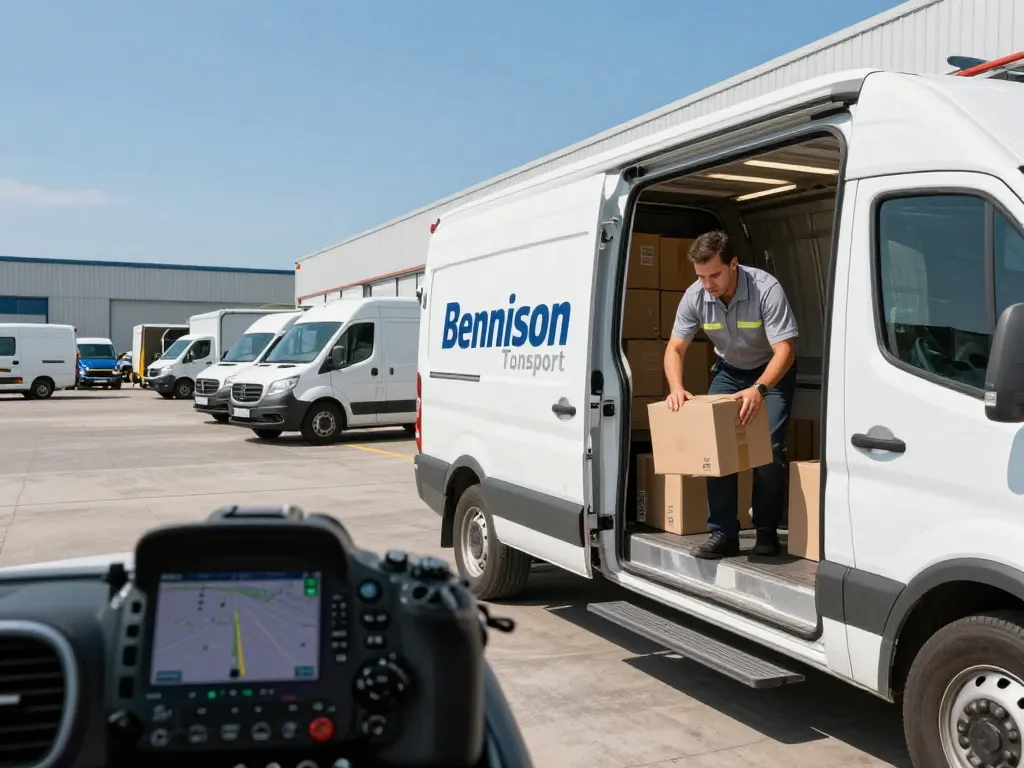
The Importance of Transport in Modern Logistics
In an increasingly interconnected world, the significance of transport in logistics cannot be overstated. Transport serves as the backbone of the supply chain, ensuring that goods and services are delivered efficiently and on time. For businesses, understanding the nuances of transport services, especially time-critical logistics, is crucial for operational success. Transport solutions that are reliable and fast can be a game changer in managing supply chains effectively, driving customer satisfaction, and gaining a competitive advantage in the market.
Understanding Time-Critical Transport Needs
Time-critical transport refers to logistics services that require promptness and precision. Businesses often depend on these services for delivering high-value items or critical shipments that cannot afford delays. Industries like healthcare, manufacturing, and technology significantly rely on time-critical transport to ensure that their operations run smoothly. Failure to deliver on time can have serious repercussions, including financial losses and reputational damage.
Key Benefits of Express Logistics
Express logistics offers a variety of benefits to businesses requiring swift transport solutions:
- Rapid Delivery: As indicated by industry standards, express logistics ensures that goods can be transported quickly, often within hours.
- Flexibility: Companies like Bennison Transport, which operate 24/7, offer remarkable flexibility, accommodating urgent needs regardless of time constraints.
- Increased Customer Satisfaction: Timely delivery enhances trust and satisfaction, which can lead to repeat business and referrals.
- Inventory Management: With rapid transport, businesses can manage inventory more effectively, reducing the need for excess stock.
Current Trends in Transport Operations
The logistics sector is evolving rapidly, driven by technological advancements and changing customer expectations. Here are some prevalent trends in transport operations:
- Digitalization: More transport companies are leveraging digital platforms for tracking shipments and optimizing routes.
- Sustainability: An increasing focus on eco-friendly practices is prompting companies to adopt greener transport options.
- Automation: The use of automated systems and AI is streamlining operations, minimizing human error, and enhancing efficiency.
Types of Vehicles Used in Time-Critical Transport
The choice of vehicle is integral to the efficiency of transport solutions. Different cargo volumes and types dictate the appropriate vehicles to use for time-critical deliveries. For instance, small vans are ideal for urgent, smaller loads, while larger lorries cater to bulk shipments.
Small Van vs. Large Lorry: Choosing the Right Vehicle
Understanding the distinction between vehicle types can greatly affect delivery times and operational efficiency:
- Small Vans: Perfect for quick local deliveries, small vans can navigate through congested urban areas with ease, ensuring fast drop-offs.
- Large Lorries: For businesses that need to transport larger quantities, large lorries provide the space required while still maintaining speed on major transport routes.
Features that Enhance Transport Efficiency
To maximize efficiency in transport services, several vehicle features are essential:
- GPS Tracking: Real-time tracking allows both the operator and the customer to monitor the progress of deliveries, reducing uncertainty.
- Temperature Control: For sensitive goods, such as pharmaceuticals, vehicles equipped with temperature control are crucial.
- Loading Capacity: Vehicles designed for easy loading and unloading can significantly reduce downtime during deliveries.
Safety Standards in the Logistics Industry
Maintaining high safety standards is non-negotiable in the transport industry. Proper training for drivers, adherence to vehicle maintenance protocols, and compliance with industry regulations are paramount to ensure the safety of goods in transit.
How Technology is Shaping the Future of Transport
Technology is revolutionizing transport in ways previously unimaginable. The importance of technology in streamlining operations and enhancing overall efficiency cannot be overstated.
GPS Tracking and Its Impact on Delivery Times
GPS technology has become indispensable in the logistics landscape. Accurate tracking not only provides clients with real-time updates but also optimizes route planning. This leads to reduced delivery times and improved customer satisfaction.
Innovations in Transport Management Systems
The implementation of advanced Transport Management Systems (TMS) allows businesses to schedule, execute, and optimize the physical movement of goods. This means improved efficiency, reduced costs, and better service delivery.
Data-Driven Decisions for Effective Logistics
With the rise of big data, companies can make informed decisions based on comprehensive analysis rather than intuition alone. Predictive analytics helps in anticipating demand fluctuations and managing logistics more effectively.
Best Practices for Managing a Transport Business
Effective management is crucial in the transport sector to ensure consistently high service levels and operational efficiency.
Delivering Excellence: Customer Service in Transport
Exceptional customer service is the foundation of a successful transport business. Regular communication, responsiveness, and feedback analysis can enhance customer relationships and build loyalty.
Training and Selecting the Right Drivers
The integral role of drivers in the transport industry cannot be overlooked. Rigorous training programs that emphasize safety, efficiency, and customer service can make a significant difference in performance outcomes.
Streamlining Operations for Greater Efficiency
Adopting lean management principles can help in identifying and eliminating waste in transport operations. Regularly reviewing processes enables businesses to stay competitive and responsive to market demands.
Case Studies: Successful Transport Solutions in Action
Case studies provide valuable insights into how time-critical transport solutions can positively impact businesses.
Real-World Examples of Timely Deliveries
Consider the case of BTL Aesthetics Ltd, which required the urgent transportation of machinery from Newcastle to Stockport. Bennison Transport was able to pick up the machinery within an hour and deliver it on time, demonstrating the company’s capabilities in handling time-sensitive tasks effectively.
Lessons Learned from Transport Challenges
Every challenge faced in transport operations can serve as a learning opportunity. Whether it’s navigating adverse weather conditions or managing unexpected traffic delays, understanding and adapting to these challenges can lead to better preparedness in the future.
Feedback from Clients: Building Trust in Transport
Positive testimonials from clients can significantly enhance a transport company’s reputation. Establishing a feedback loop that allows clients to share their experiences not only showcases strengths but also highlights areas for improvement.
What is time-critical transport and why is it important?
Time-critical transport is essential for industries where speed is paramount. It minimizes delays, mitigates risks associated with late delivery, and maximizes operational effectiveness.
How can technology improve transport efficiency?
By implementing advanced technological solutions, companies can significantly enhance tracking, scheduling, and overall management of logistics operations, leading to smoother processes and cost savings.
What types of vehicles are best for express logistics?
The best vehicles for express logistics depend on the nature of the cargo. Smaller vans are suited for quick deliveries while larger lorries are necessary for bulk transport, each playing a vital role in a complete logistics strategy.
How to ensure safety in transport operations?
Safety can be ensured through regular vehicle maintenance, adherence to legal regulations, and continuous driver training, fostering a culture of safety within the organization.
What are common challenges faced in logistics today?
Common challenges include rising operational costs, fluctuating fuel prices, and the need for sustainable practices. Addressing these issues requires strategic planning and adaptability.