
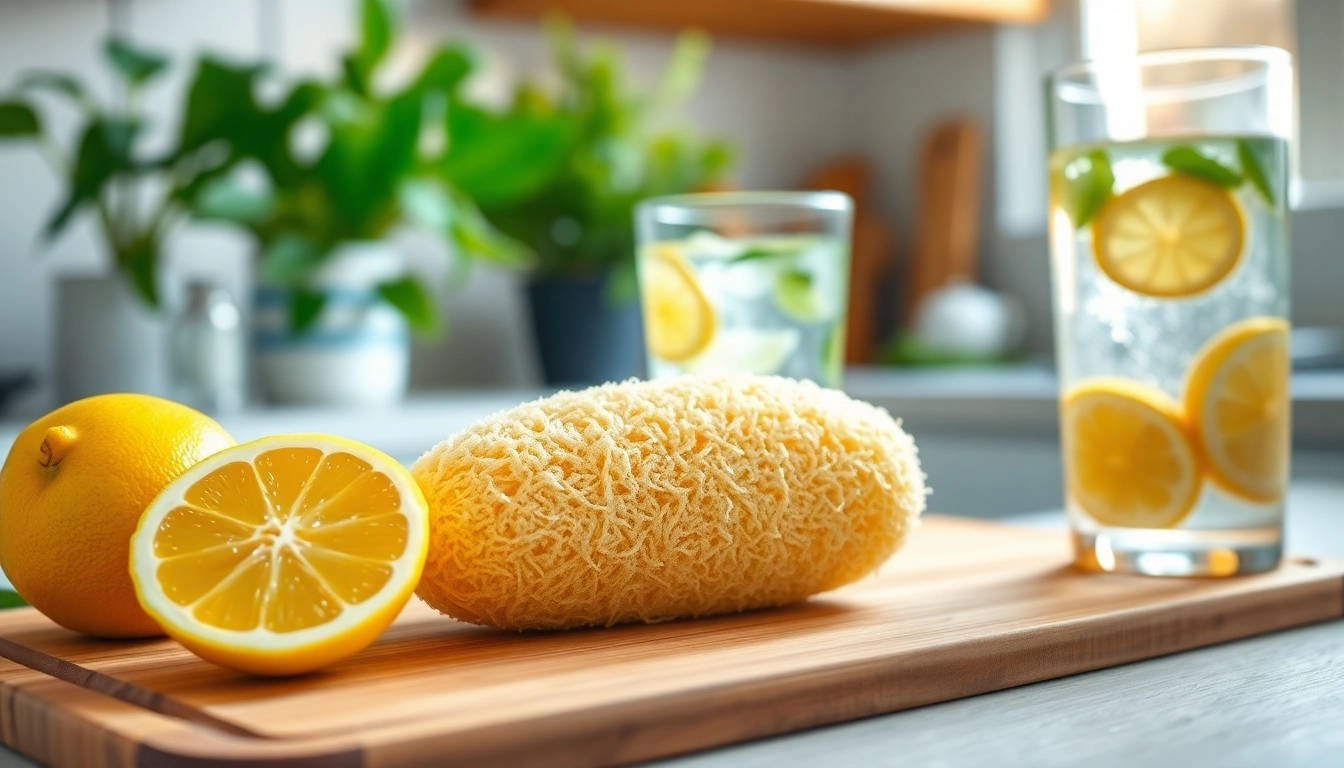
Understanding Kitchen Loofah Benefits
In recent years, natural cleaning tools have surged in popularity, leading many to explore the myriad benefits of a kitchen loofah. These natural sponges, derived from the dried fibrous fruit of the loofah plant, serve as sustainable and effective cleaning alternatives. By embracing the kitchen loofah benefits, individuals can enjoy a toxin-free cleaning experience while also contributing to environmental sustainability. But what exactly are kitchen loofahs, and how can they enhance both hygiene and health in your kitchen? Let’s delve deeper.
What is a Kitchen Loofah?
A kitchen loofah, often confused with synthetic sponges, is a natural product obtained from the loofah plant, scientifically known as Luffa aegyptiaca. The process involves selecting the right fruits, drying them, and removing the outer skin, revealing a fibrous network that can effectively scrub surfaces.
Loofahs come in various types, from fine to coarse textures, catering to different cleaning needs. Fine loofahs are ideal for delicate surfaces, while coarser varieties excel in tackling tougher stains, providing versatility in any kitchen environment. Furthermore, kitchen loofahs are biodegradable, making them an environmentally friendly choice compared to their synthetic counterparts.
Health Benefits of Using Kitchen Loofah
Using a kitchen loofah offers several health benefits that extend beyond just maintaining cleanliness. These include:
- Natural Exfoliation: Loofahs naturally slough off dead skin cells, allowing for healthier skin and improved circulation when used in personal care routines.
- Anti-bacterial Properties: The fibrous structure of loofahs inhibits bacterial growth when used properly and cleaned regularly, reducing the risk of cross-contamination in the kitchen.
- Odor Absorption: Kitchen loofahs can help absorb moisture and odors, keeping the kitchen space fresher for longer while reducing the presence of harmful bacteria.
Environmental Impact of Kitchen Loofah
Choosing a kitchen loofah positively affects the environment. Unlike synthetic sponges that can contribute to landfill waste, loofahs are compostable. Their cultivation also supports biodiversity because loofahs can grow in various climates, reducing the need for chemical fertilizers or pesticides typically used in non-organic farming.
Additionally, by opting for a natural cleaning tool, consumers can limit their exposure to the microplastics found in many synthetic sponges, thus helping to protect marine life and ecosystems.
How to Use Kitchen Loofah Effectively
Cleaning Techniques for Kitchen Objects
To maximize the benefits of a kitchen loofah, implementing effective cleaning techniques is essential. Here are some tips:
- Dishware Cleaning: Use a fine-textured loofah to gently scrub dishes to prevent scratching while effectively removing food residues.
- Countertops and Surfaces: Choose a coarse loofah for tougher stains and greasy surfaces; just ensure to use it with a suitable cleaner for optimal results.
- Utensil Care: Rinse the loofah after use to keep it clean, and allow it to dry properly to prevent mold build-up.
Incorporating Loofah into Your Skincare Routine
Kitchen loofahs are not just for cleaning; they can significantly improve skincare routines. Here’s how:
- Body Scrub: Use a wet loofah with gentle soap to exfoliate the body during showers. This practice invigorates the skin and promotes regeneration.
- Facial Cleansing: Opt for a softer loofah for facial cleansing. It removes impurities gently and can be used in conjunction with oils or creams.
- Moisturizing: After exfoliation, always follow up with a moisturizer to lock in hydration and further enhance skin softness.
Tips for Long-lasting Use of Kitchen Loofah
To ensure longevity and optimal health benefits from your kitchen loofah, consider these caring tips:
- Regular Cleaning: Rinse your loofah after each use and sanitize it once a week by soaking it in vinegar or a mixture of bleach and water to eliminate germs.
- Drying: Always hang your loofah in a dry, ventilated area to prevent mold and mildew, which can diminish its effectiveness.
- Replacement: Replace your loofah every 4–6 weeks, as wear and tear can diminish its scrubbing capabilities.
Choosing the Right Kitchen Loofah
Types of Kitchen Loofah Available
When selecting a kitchen loofah, consider the variety that best fits your needs. Here are some common types:
- Coarse Loofahs: Ideal for scrubbing pots and pans, removing persistent stains with ease.
- Fine Loofahs: Best suited for fragile dishes and surfaces, providing a delicate touch.
- Loofah Pads: Smaller and easy to handle, these pads are excellent for specific tasks, such as cleaning fruits and vegetables.
Sourcing Sustainable Kitchen Loofah
Prioritizing sustainability when purchasing kitchen loofahs is essential. Look for products that are certified organic or sourced from sustainable farms. This ensures that your choice supports ethical farming and minimizes environmental impact. Online retailers and local organic markets often provide transparent sourcing information that can aid in making informed purchases.
Price Comparison of Kitchen Loofah
Kitchen loofahs generally range in price depending on quality and source. While a standard loofah can be found for $3-6, premium or organic options may cost $10 or more. When comparing prices, consider longevity, sustainability, and the effectiveness of the loofah to determine the best value for your needs.
Common Myths About Kitchen Loofah
Debunking Misconceptions about Loofah Hygiene
Many individuals hesitate to switch to kitchen loofahs due to hygiene concerns. It is a common myth that loofahs harbor more bacteria than synthetic sponges. However, with proper care—regular cleaning and drying—loofahs can remain hygienic and safe for kitchen use. Studies show that loofahs can also be sanitized effectively by simply soaking in a vinegar solution.
Clarifying Usage: Cooking vs. Cleaning
Another myth is that kitchen loofahs are unsuitable for food prep. In reality, loofahs can be safely used for cleaning fruits and vegetables. When used appropriately and maintained well, kitchen loofahs present no risk of contamination, making them an excellent natural choice for any kitchen task.
Understanding Allergies Related to Kitchen Loofah
Some users express concerns over potential allergies to loofah. While rare, skin reactions can occur, especially with those who have sensitivities to natural fibers. It is advisable to test a small area of the skin first before fully incorporating the loofah into your cleaning or skincare routine.
Frequently Asked Questions About Kitchen Loofah Benefits
What are the best uses for kitchen loofah?
Kitchen loofahs are ideal for scrubbing dishes, cleaning surfaces, and exfoliating skin in your personal care routine.
Is kitchen loofah safe for all skin types?
Generally, kitchen loofahs are safe for most skin types. However, those with sensitive skin should perform a patch test first to ensure no reaction occurs.
How do I clean and maintain my kitchen loofah?
Clean your loofah after each use, let it dry completely, and sanitize it weekly with a vinegar solution or bleach to keep it hygienic.
Can kitchen loofah be reused?
Yes, kitchen loofahs can be reused multiple times, but replace them every 4–6 weeks to prevent wear and bacteria buildup.
Are there any alternatives to kitchen loofah?
Alternatives include natural sponges, coconut coir scrubs, or biodegradable cellulose sponges, but they may lack the same exfoliating benefits.