
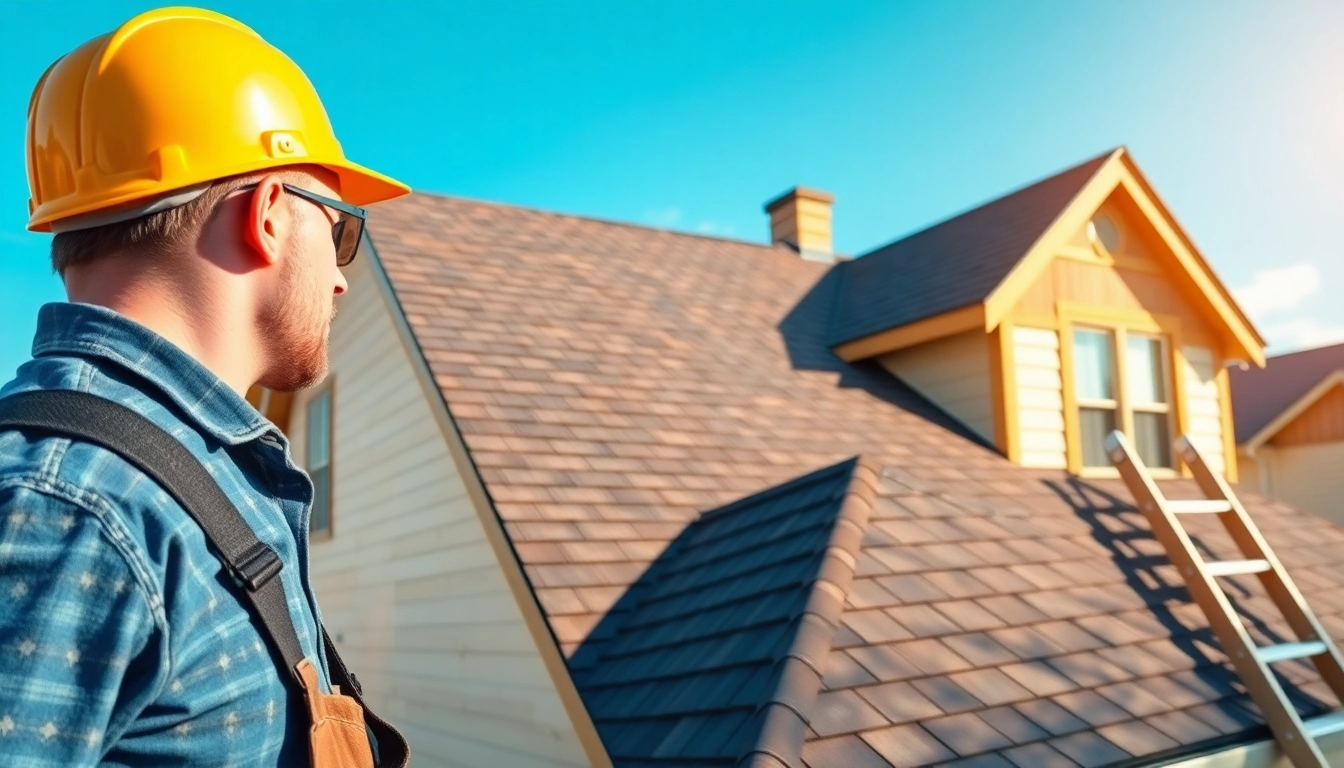
Understanding the Role of a Roofing Contractor
What Does a Roofing Contractor Do?
A Roofing contractor specializes in the installation, repair, and maintenance of roofs. This professional not only works with materials such as shingles, metal, and tiles but also ensures that all roofing projects comply with safety standards and local building regulations. They assess roofing conditions, provide estimates, and guide homeowners on the best materials suited for their specific needs, ensuring durability and performance.
Importance of Hiring a Licensed Roofing Contractor
Hiring a licensed roofing contractor is crucial for several reasons. Firstly, it guarantees that the contractor has undergone rigorous training and complies with industry standards. Secondly, licensed contractors typically carry liability insurance and worker’s compensation, protecting homeowners from potential lawsuits in case of accidents. Lastly, their familiarity with local building codes means they can navigate permits efficiently, saving homeowners time and stress during roofing projects.
Key Skills of a Qualified Roofing Contractor
A qualified roofing contractor possesses a diverse skill set essential for successful project completion. Key skills include:
- Technical Proficiency: Knowledge of various roofing materials and installation techniques.
- Problem-Solving: Ability to diagnose and address roofing issues effectively.
- Communication: Clear communication with clients about timelines, costs, and options.
- Project Management: Organizational skills to manage the scope of work, subcontractors, and schedules efficiently.
- Safety Awareness: Understanding of safety protocols to protect themselves and others on-site.
How to Select a Reliable Roofing Contractor
Researching Potential Roofing Contractors
Start by compiling a list of local roofing contractors through online searches, recommendations from friends, and social media. Look for those with strong reputations and positive online reviews. Websites such as the Better Business Bureau can provide insights into their reliability and customer service. Don’t hesitate to check their credentials and assess their portfolios to gauge their experience and quality of work.
Key Questions to Ask Your Roofing Contractor
To ensure you choose the right contractor, prepare a list of key questions, such as:
- Are you licensed and insured?
- What is your experience with projects similar to mine?
- Can you provide references from previous clients?
- What is your estimated timeline for completion?
- What warranty do you offer on your work?
These questions will help clarify their qualifications and reassure you of their reliability.
Evaluating Contractor Credentials
Ensure your potential roofing contractor has the necessary credentials. This includes verifying their license, insurance, and any applicable certifications. Additionally, it’s worthwhile to check whether they are part of professional organizations, as this signifies a commitment to high standards and ongoing education in the field. A qualified contractor will not hesitate to provide documentation to validate their credentials.
Common Roofing Services Offered by Contractors
Roof Installation Options Explained
Roof installation is one of the primary services provided by roofing contractors, offering various options based on style, budget, and preference. Popular types of roof installations include:
- Asphalt Shingles: Economical and available in various colors.
- Metal Roofing: Durable and resistant to extreme weather, often with a longer lifespan.
- Tile Roofing: Offers excellent durability and aesthetic appeal, but can be heavier and more expensive.
- Flat Roofing: Common for commercial buildings, requiring specialized installation and maintenance techniques.
Each option has its benefits, so it’s essential to consult with your roofing contractor to determine the best fit for your specific needs.
Repairing Leaks and Damage with a Roofing Contractor
Leaks and damage can compromise the integrity of a roof. A roofing contractor specializes in identifying the source of leaks and recommending effective repair solutions. Common repair services include patching leaks, replacing damaged shingles, and sealing vents and chimneys. Timely repairs can prevent more extensive damage and costly replacements. Homeowners should schedule regular inspections, especially after severe weather events, to detect potential issues early.
Regular Maintenance Services
Regular maintenance is essential for prolonging a roof’s lifespan. A professional roofing contractor can set up a routine maintenance schedule, which typically includes:
- Inspecting for signs of wear and tear, such as cracked or missing shingles.
- Cleaning gutters and downspouts to prevent water accumulation.
- Checking for mold or algae growth, especially in humid climates.
- Ensuring proper ventilation to maintain a balanced temperature.
This proactive approach helps avoid larger issues down the line and keeps repair costs manageable.
Evaluating Estimates from Roofing Contractors
Understanding Pricing Structures
Understanding how roofing contractors establish pricing is crucial for making informed decisions. Estimates often include materials, labor, disposal, and potential permit costs. Pricing can vary significantly based on materials used, the complexity of the job, and geographical location. To get a clearer picture of value, compare multiple estimates while considering the scope of work each covers.
What to Look for in Estimates
When evaluating estimates, pay attention to the following:
- Detail: A comprehensive breakdown of costs helps clarify where your money will go.
- Materials: Ensure the estimate specifies the type of materials included.
- Timeline: An estimated completion date indicates the contractor’s project management skills.
- Payment Terms: Understanding when payments are due can help you manage your budget effectively.
These components will contribute to informed decisions regarding contractor selection.
Red Flags in a Roofing Estimate
While assessing estimates, be vigilant for red flags that may indicate a less-than-reputable contractor, such as:
- Lack of Detail: Vague estimates can hide costs.
- High Initial Payment Requests: Contractors should not ask for full payment upfront.
- Pressure Tactics: Beware of those who rush or pressure you into a decision.
- Unrealistically Low Estimates: If it sounds too good to be true, it probably is.
Trust your instincts and seek clarity on any troubling aspects before proceeding.
FAQs About Roofing Contractors
How can I find a reliable roofing contractor?
Check online reviews, ask for referrals, and ensure they are licensed and insured.
What do roofing contractors typically charge?
Pricing can vary widely based on the project size, materials, and contractor experience.
How long does it take to install a new roof?
A standard residential roofing project may take 1 to 3 days, depending on complexity.
Are roofing warranties worth it?
Yes, warranties can provide peace of mind and protection for your investment.
What materials do roofing contractors recommend?
Common materials include asphalt shingles, metal, tile, and wood, each with pros and cons.