
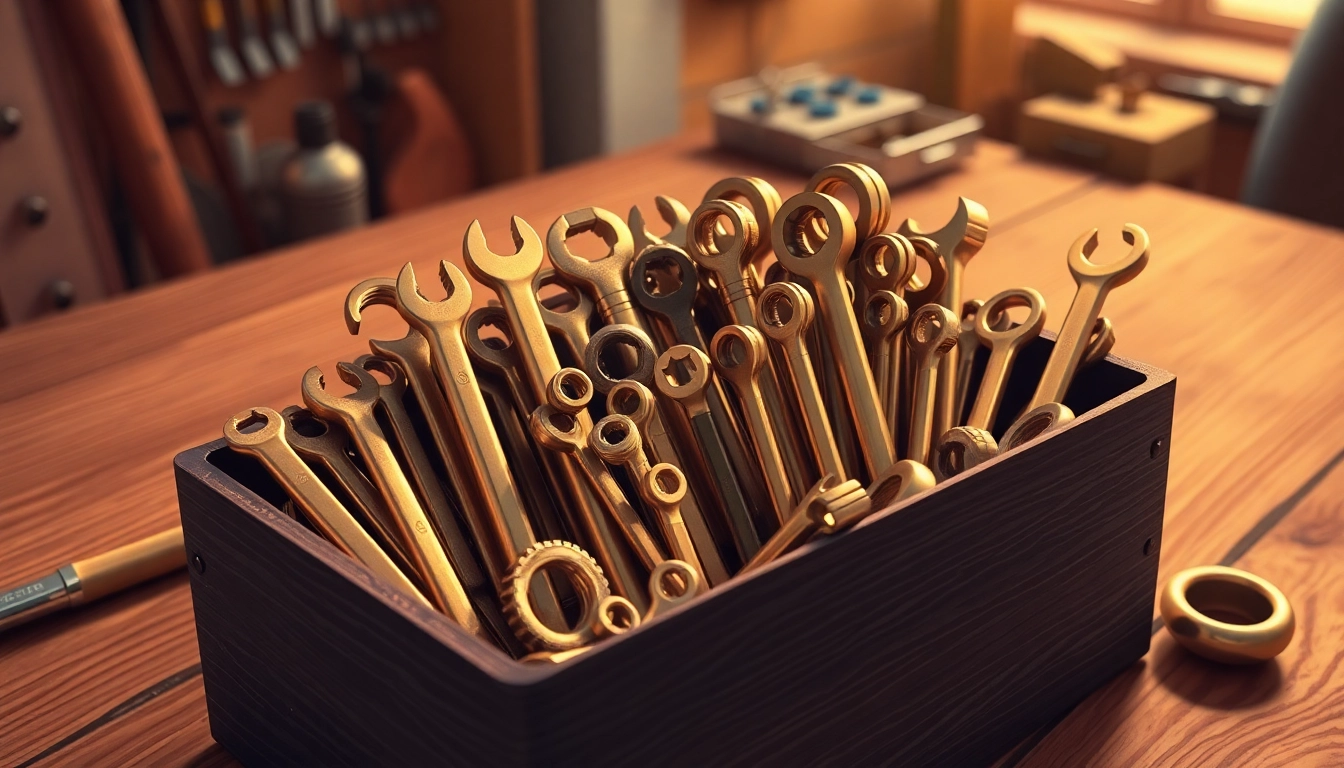
Introduction to Allen Keys
Allen keys, also known as hex keys, are essential tools that form the backbone of many DIY projects, furniture assembly tasks, and mechanical applications. Their unique L-shape design allows for quick and efficient operation, especially in tight spaces where other tools may be unwieldy. In this comprehensive guide, we will explore everything there is to know about allen keys, from their definition to their various applications, ensuring you’re well-equipped for your next project.
1. What Are Allen Keys?
An allen key is a simple, L-shaped tool used to drive bolts and screws with a hexagonal recess in their heads. The tool’s design, typically made from tough, durable materials, allows it to apply a significant amount of torque without slipping. Allen keys are favored in multiple fields, including automotive, furniture assembly, and machinery, owing to their efficiency and compact nature.
2. Types of Allen Keys and Their Uses
There are several types of allen keys, each suited for different applications:
- Standard Allen Keys: These are the most common, found in furniture assembly and mechanical applications.
- Ball-End Allen Keys: These keys allow for a greater angle of entry, facilitating easy access in tight spaces.
- Long Arm Allen Keys: These provide extended reach and greater torque, ideal for use in automotive repair.
- T-Handle Allen Keys: These offer a comfortable grip and the ability to apply more force, perfect for prolonged use.
Understanding the types of allen keys available allows you to choose the right tool for your specific needs, enhancing your DIY efficiency.
3. Importance of Allen Keys in DIY Projects
Allen keys are crucial in DIY projects largely due to their versatility. Whether assembling flat-pack furniture, tightening bike components, or making repairs to electronics, allen keys provide the precise fit required for hexagonal fasteners. Their sleek design means they can be seamlessly integrated into a variety of toolkits, making them invaluable for both professionals and casual hobbyists alike.
Choosing the Right Allen Keys
1. Size Matters: How to Select the Correct Size
Choosing the right size of allen key is critical for effective tool usage. Allen keys come in metric and imperial sizes, and selecting the correct key ensures you don’t strip the fastener head. To find the right size, consult the manufacturer’s specifications or use a gauge tool designed for measuring hex key sizes. In general, having a complete set of allen keys in various sizes can give you the adaptability needed for any project.
2. Material Quality for Longevity
Not all allen keys are created equal, and the material they are made from can significantly affect their durability and performance. High-carbon steel and chrome-vanadium steel are popular materials that resist wear and breaking. For extra protection against corrosion, consider keys that have been heat treated or coated with a protective finish such as chrome or nickel. Investing in high-quality materials will not only enhance the lifespan of your allen keys but also ensure that they perform effectively in demanding environments.
3. Wrenches vs. Allen Keys: Making the Right Choice
While both wrenches and allen keys are used to turn fasteners, they serve different purposes. Wrenches are typically used for nuts and bolts with rounded heads, while allen keys are specifically designed for hexagonal screws. Understanding these differences helps you make informed decisions when selecting tools for your projects. In some situations, using both tools simultaneously can make the assembly process easier and more efficient.
Advanced Techniques with Allen Keys
1. Tips for Using Allen Keys Efficiently
To make the most of your allen keys, consider these tips:
- Use the correct size to avoid stripping the screw head.
- Apply consistent pressure and maintain a steady pace when turning the key.
- For tight spaces, consider using ball-end allen keys that allow for an angled approach.
By employing these strategies, you can work more effectively and significantly cut down on project time.
2. Common Mistakes to Avoid
Even seasoned users can make errors when working with allen keys. Some common mistakes include:
- Using the wrong size allen key, which can lead to damage.
- Over-tightening screws, which can cause both the screw and surrounding material to weaken.
- Neglecting to clean the keys, which can lead to rust and diminished performance.
Avoiding these pitfalls will enhance both the durability of your tools and the quality of your work.
3. Creative Uses Beyond Furniture Assembly
While allen keys are frequently associated with assembling furniture, their uses expand well beyond this. They can be effectively employed in:
- Bicycle repairs, where numerous components require tightening.
- Adjusting components in electronic devices, such as computer hardware.
- General automotive repair, where access to tight spaces is often essential.
The capability of allen keys to adapt to different environments makes them a must-have for anyone serious about DIY activities.
Maintenance and Care for Allen Keys
1. Cleaning and Storage Best Practices
To ensure longevity, it’s crucial to maintain your allen keys properly. After use, clean them with a soft cloth to remove dirt and grime, and avoid using abrasive cleaners that can scratch their surfaces. For storage, consider a dedicated toolbox or tool organizer that keeps your keys safe and easily accessible. This not only prevents loss but also helps in maintaining their condition by preventing unnecessary wear.
2. Recognizing Wear and Tear
Regularly inspect your allen keys for signs of wear such as rounding at the ends or signs of rust. If the edges are no longer sharp or the keys feel loose in the screw head, it may be time to replace them. Staying vigilant about the condition of your tools can prevent frustrating moments mid-project.
3. When to Replace Your Allen Keys
It’s wise to replace your allen keys if you notice any significant signs of damage or if they no longer grip the screws properly. Replacing worn keys is a small investment in ensuring that your projects remain smooth and hassle-free. Additionally, updating your set with new sizes or types of allen keys can also enhance your toolkit and improve project outcomes.
FAQs About Allen Keys
1. What materials are allen keys usually made from?
Allen keys are typically made from high-carbon steel or chrome-vanadium steel, providing a balance of strength and durability. They may also be coated for additional corrosion resistance.
2. How do I know which size allen key to use?
The size of the allen key needed is often determined by the size of the screw it will drive. Consulting a size chart or the fastener’s manufacturer specifications can help you choose the correct key.
3. Can I use allen keys for other types of screws?
Allen keys are designed specifically for hexagonal screws. While they can technically be used on other types of screws, it is not recommended as it may cause damage to the screws and keys.
4. What is the best way to store allen keys?
Storing allen keys in a dedicated tool organizer or toolbox is ideal. Keep them in a designated slot to prevent loss and protect them from damage.
5. How often should I replace my allen keys?
Allen keys should be replaced when you notice significant wear, such as rounding of edges or inability to grip well. Regular inspections can help you determine the right time for replacements.
With the proper understanding and application of allen keys, you’ll be prepared for whatever DIY challenge comes your way. Whether you are tightening a bike’s frame, assembling furniture, or indulging in more complex projects, your allen keys will serve you well. For all your tool needs, including allen keys, consider visiting Mister Worker, where you can find a wide array of quality tools to support your endeavors.