
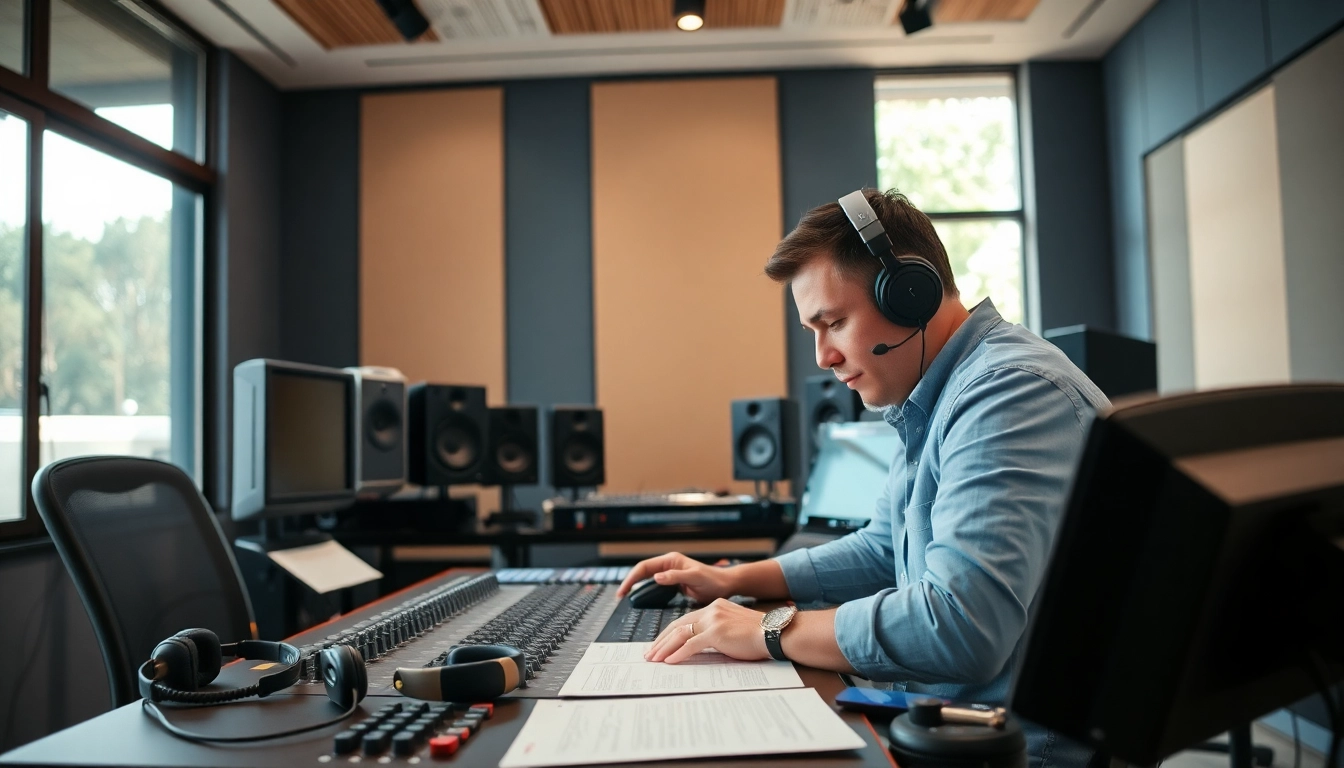
Understanding Online Mastering Services
What Are Online Mastering Services?
Online mastering services are platforms that allow musicians and producers to finalize their music tracks remotely. Mastering is the last step in the audio production process and focuses on optimizing the overall sound quality, ensuring that the track is polished, balanced, and ready for distribution across different formats and platforms. With the advent of technology, these services have gained popularity, providing artists with the convenience of accessing expert audio mastering without the geographical constraints of traditional studios. By utilizing online mastering services, musicians can leverage advanced software and experienced professionals to achieve high-quality results while maintaining creative control.
Benefits of Using Online Mastering Services
The benefits of online mastering services extend beyond mere convenience. Here are some of the key advantages:
- Cost-Effective: Traditional mastering studios often come with hefty hourly rates. Online services typically offer flat fees, allowing artists to budget effectively.
- Accessibility: Musicians can access these services from anywhere in the world, making it easy to connect with top-tier mastering engineers irrespective of location.
- Fast Turnaround: Many online mastering services provide quick turnaround times, enabling artists to receive their mastered tracks in a matter of days or even hours.
- Flexibility of Revisions: Artists can often request revisions or iterations on their tracks easily, ensuring the final product reflects their vision.
- Portfolio Variety: Many online mastering services work with a diverse range of genres and styles, offering unique insights and expertise tailored to specific musical needs.
How Online Mastering Differs from Traditional Methods
While traditional mastering involves physical studio sessions where engineers use high-end equipment, online mastering relies heavily on digital technology and communication. This method allows for a more streamlined process, where tracks can be uploaded and mastered in a digital environment. Additionally, online services often integrate advanced software analytics, improving the mastering quality through precision techniques that may not be available in traditional settings. This digital approach also allows for greater collaboration, as artists can share feedback instantly and make decisions collaboratively without being limited by geography.
Evaluating Your Needs for Mastering
Identifying the Right Sound for Your Project
Before choosing an online mastering service, it’s vital to identify the desired sound for your project. This step involves understanding your music genre, style, and the emotional impact you wish to convey. Analyze similar tracks within your genre and create a reference playlist showcasing the sound quality and mastering techniques that resonate with your vision.
Considerations Before Choosing Online Mastering Services
Several factors should inform your choice of an online mastering service:
- Experience: Look for mastering engineers who have a track record of working in your musical genre. Their familiarity can significantly enhance the final output.
- Technology: Ensure the service utilizes high-quality software and equipment. The tools available can affect the final sound quality.
- Customer Support: A responsive and helpful support system can make the process smoother and more efficient.
- Security: Verify that the service maintains privacy policies protecting your music files throughout the mastering process.
Setting a Budget for Online Mastering
Determining a budget is crucial when selecting an online mastering service. Prices can vary significantly based on the features offered, the complexity of your project, and the reputation of the service. Research different services and balance your needs against your financial constraints. Consider factors such as the number of tracks to be mastered, additional services like stem mastering, and the potential for re-revisions when calculating the total cost.
Choosing the Best Online Mastering Service
Key Features to Look For
When evaluating online mastering services, consider the following features:
- Customizable Options: Services that allow you to tailor your mastering process, including genre-specific settings, can yield better results.
- Preview Functionality: The ability to preview tracks before final delivery helps ensure the mastering meets your expectations.
- Multi-Format Deliverables: Look for services that can provide your tracks in various formats suitable for streaming, CD, and vinyl.
- Quality Assurance: Check for services that provide quality checks or guarantees on their masters.
Comparing Service Turnaround Times
Turnaround time can significantly affect your release schedule. Many online services promise quick results, with some offering masters in less than 24 hours. However, consider the quality over speed. Sometimes a longer turnaround can lead to a more polished and thought-out end product. When evaluating services, ask about their average turnaround timelines and their policies for emergency situations that may require quicker mastering.
Customer Reviews and Testimonials
Before settling on an online mastering service, review testimonials and feedback from previous users. Customer reviews can provide insights into the service’s reliability, the quality of their work, and their level of customer support. Look for detailed reviews that reflect the user’s experience through the entire mastering process, from initial contact to final delivery. You might also consider seeking out music forums or social media groups where artists share their experiences.
Preparing Your Tracks for Online Mastering
File Formats and Specifications
To ensure optimal mastering results, it’s essential to submit your tracks in the correct format. Most online mastering services prefer WAV or AIFF files as they are uncompressed formats that maintain quality. Additionally, check the specific requirements like sample rate and bit depth. Most services recommend 24-bit files with sample rates of at least 44.1 kHz to capture all audio details.
Best Practices for Submitting Tracks
To facilitate a smooth mastering process, adhere to the following best practices:
- Keep Headroom: Make sure your tracks have ample headroom (around -6dB) to avoid distortion during mastering.
- Avoid Excessive Effects: Limit the use of heavy effects like compression or EQ, as mastering engineers will make those adjustments.
- Label Tracks Clearly: Provide clear labeling for each track, including any specific notes on the desired outcome or sound.
Common Mistakes to Avoid
Avoid the following mistakes to ensure a successful mastering experience:
- Over-Compression: Excessive compression can squash the dynamics of your track, making it sound lifeless.
- Ignoring the Reference Tracks: Not providing reference tracks can hinder the mastering engineer’s understanding of your vision.
- Failure to Communicate: Failing to convey your preferences or concerns might lead to an unsatisfactory final product.
Measuring the Impact of Mastering on Your Music
How to Evaluate the Quality of Your Mastered Tracks
Evaluating the quality of your mastered tracks can be subjective, but there are clear benchmarks to consider. Listen for clarity, balance, and presence among instruments and vocals. Your track should retain dynamics without sounding flat or overly compressed. Testing the track across various playback systems (such as headphones, car speakers, and home audio systems) can provide insights into how it translates in different listening environments.
Feedback and Iteration: Post-Mastering Tips
After receiving your mastered audio, it’s beneficial to gather feedback from trusted peers or music industry professionals. Constructive criticism can help identify any areas needing adjustment. Most online mastering services allow for a revision process, which can help refine the final product further. Utilize this opportunity to communicate clearly what you want to adjust, ensuring that revisions align with your artistic vision.
Promoting Your Mastered Music Effectively
Once your tracks are mastered and ready for release, focus on promoting them effectively. Share snippets across social media platforms, engage with your audience, and consider streaming services’ playlists for maximum exposure. Creating a buzz around your release can increase its impact and reach, ultimately contributing to its success in the competitive music landscape.
FAQs
What is the difference between mixing and mastering?
Mixing involves balancing individual audio tracks and creating the overall sound, while mastering is the final step that polishes the mixed track for distribution.
Can I send my tracks in MP3 format for mastering?
It’s best to avoid MP3 files due to their compression. Use WAV or AIFF formats for uncompressed, high-quality audio during mastering.
How long does the mastering process typically take?
Turnaround times for mastering vary by service, but many online services offer delivery within 24 to 72 hours, depending on the complexity.
What if I don’t like the master I receive?
Most online mastering services allow revisions. Clearly communicate your feedback to address any concerns and ensure the final product meets your expectations.
Is it worth using online mastering services instead of a physical studio?
Online mastering services can be just as effective as traditional studios, often providing cost savings, convenience, and access to a range of experienced engineers.