Understanding E Marking: Key Concepts and Importance
The E Mark, often referred to as E marking, is a vital certification in the automotive sector reflecting compliance with European Union regulations. It signifies that a vehicle or its components, particularly electronic subassemblies, meet specified safety and performance standards. In 2026, with the evolving regulatory landscape and increasing technological advancements, understanding the intricacies of E marking is more crucial than ever for manufacturers and compliance professionals. When exploring options, E marking can guide you through achieving necessary certifications efficiently.
What is E Marking in Automotive Context?
E marking is a European approval mark that plays a critical role in the compliance and safety of vehicle components. Introduced to promote standardization across the EU, the E Mark indicates that automotive parts, such as lighting systems and electronic assemblies, adhere to established safety norms. This mark is essential for ensuring that products can be sold within the EU market, and it reassures consumers about the quality and reliability of the components in their vehicles.
The Role of E Marking in Vehicle Safety Compliance
The significance of E marking cannot be overstated, as it directly impacts vehicle safety and performance. Vehicles equipped with E-marked components are less likely to malfunction due to regulatory scrutiny during the manufacturing phase. This compliance ensures that vehicles can withstand various operating conditions and meet environmental standards, thus enhancing consumer trust and reducing liability for manufacturers.
Key Regulations and Standards Governing E Marking
E marking is governed by several key regulations that define the compliance parameters for vehicle components. These include:
- ECE Regulation 10: Focuses on electromagnetic compatibility for vehicles and their components.
- ISO 16750: Provides guidelines for the testing of electrical and electronic systems in road vehicles.
- CISPR Standards: These focus on the limits of electromagnetic interference and emissions, crucial for vehicle performance.
Manufacturers must stay abreast of these regulations to ensure compliance and reduce the risk of penalties or recalls.
Process of E Marking: Step-by-Step Guide
Achieving E marking requires a systematic approach that includes consultations, testing, and documentation. Understanding this process can facilitate compliance and ensure that automotive products meet all necessary requirements.
Initial Consultation and Product Assessment
The first step towards obtaining E marking certification involves a comprehensive consultation. During this phase, compliance experts assess the product’s design, intended use, and the specific requirements needed for E marking. A thorough understanding of the product will help identify potential design flaws or compliance gaps early in the process.
Testing Procedures for E Marking Compliance
Once the initial assessment is complete, products undergo rigorous testing procedures to ensure compliance with E marking standards. This includes:
- Electromagnetic Compatibility Testing: Evaluating how electrical equipment interacts with electromagnetic fields to ensure it operates effectively without interference.
- Safety Testing: Ensuring that all components meet safety performance standards to prevent hazards during use.
- Environmental Testing: Assessing how components perform under various environmental conditions to verify durability.
These tests are essential for generating the data required for certification.
Documentation and Certification Submission Steps
Upon successful completion of testing, manufacturers must compile detailed documentation, including test results and compliance reports, which will be submitted to the relevant regulatory bodies. This documentation serves as evidence that the product meets the required standards and is a critical component of the certification process.
Common Challenges in E Marking Compliance
While the E marking process is straightforward, several challenges can obstruct compliance efforts. Understanding these challenges can facilitate smoother navigation through the certification landscape.
Understanding Common Misconceptions about E Marking
One prevalent misconception is that E marking is only necessary for complete vehicles. In reality, individual components, such as lights or electronic systems, must also obtain E marking. Manufacturers often overlook this, which can lead to compliance issues down the line.
Overcoming Technical Hurdles in Compliance Testing
Technical challenges, such as design flaws or inadequate testing facilities, can also hinder compliance objectives. Manufacturers should invest in advanced testing solutions and leverage expert consultancy to address these hurdles efficiently.
Navigating Regulatory Changes and Updates in 2026
The regulatory landscape is ever-evolving, and significant changes are anticipated in 2026. Staying informed about updates in E marking requirements and adapting compliance strategies accordingly is vital to avoid disruptions in the market.
The Benefits of Choosing a Certified Testing Laboratory
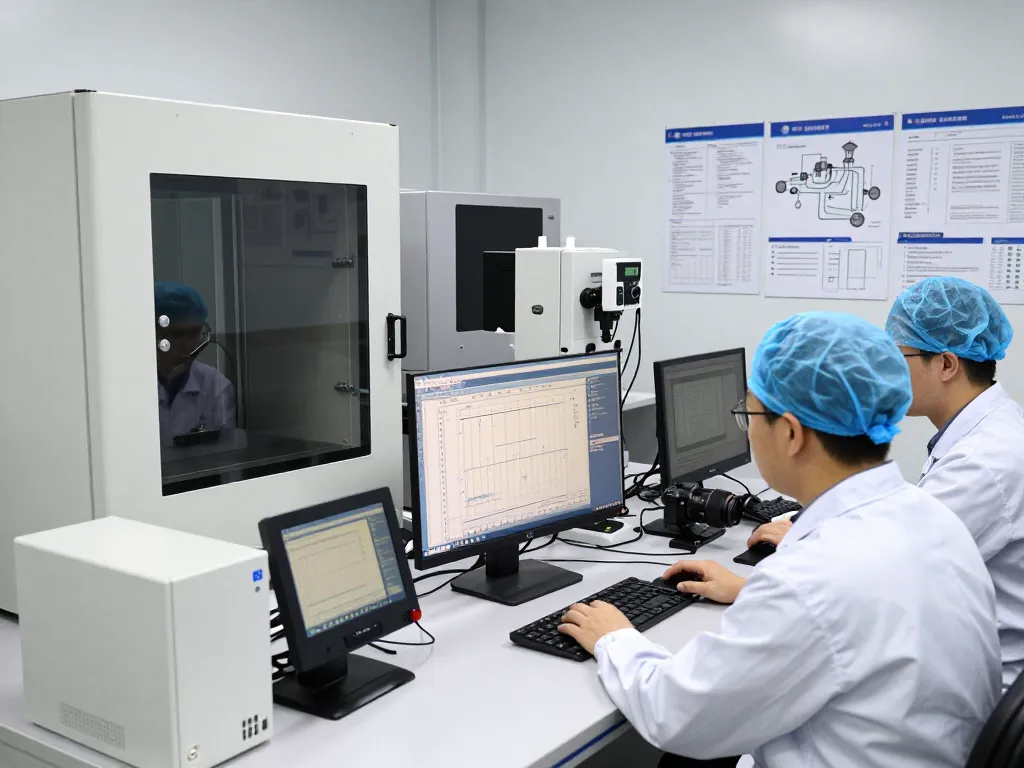
Selecting a certified testing laboratory can significantly enhance the chances of successful E marking compliance. These labs possess the expertise, accreditation, and resources necessary for thorough and reliable testing.
Advantages of Working with Accredited EMC Testing Labs
Accredited labs offer numerous benefits, including:
- Expertise: Access to trained professionals who stay updated on the latest regulations and compliance requirements.
- Advanced Facilities: Cutting-edge equipment that ensures accurate testing results.
- Faster Turnaround Times: Streamlined processes that expedite certification and reduce time to market.
How Testing Facilities Enhance E Marking Accuracy
Testing facilities equipped with the latest technology offer higher precision in testing, leading to more reliable results. This enhances the credibility of the E marking associated with a product and fosters trust among consumers and regulators alike.
Case Studies: Success Stories of E Marking Compliance
Several manufacturers have successfully navigated the E marking process by collaborating with accredited labs. For instance, a leading automotive lighting manufacturer reported a 30% reduction in compliance time by leveraging advanced testing facilities, facilitating a quicker market entry and enhanced product reputation.
Future Trends in E Marking and Automotive Compliance
As technology continues to evolve, so too will the requirements surrounding E marking. Anticipating these trends can help manufacturers stay ahead in compliance and ensure their products meet future regulations.
Emerging Technologies Impacting E Marking in 2026
Technologies such as the Internet of Things (IoT) and artificial intelligence are beginning to influence how vehicles are tested and certified for compliance. These advancements may lead to new standards that will necessitate revisiting current E marking protocols.
Predictions for Changes in Regulatory Frameworks
Experts predict more stringent regulations will emerge in the coming years, particularly regarding environmental impact and safety in the automotive sector. Manufacturers need to prepare for these changes by implementing robust compliance strategies and investing in sustainable technologies.
Preparing for Future Compliance Challenges and Innovations
To effectively handle future compliance challenges, it is essential for manufacturers to focus on continuous improvement, adopting innovative testing methods, and remaining agile to respond to regulatory demands.
What are the costs associated with E marking?
Costs can vary based on the complexity of the product and the testing required. On average, budgeting for both testing and certification should be factored in early to avoid unexpected expenses.
How can my product achieve E marking certification?
Achieving E marking certification involves a thorough understanding of compliance requirements, engaging with accredited testing laboratories, and completing the necessary testing and documentation processes.
What industries require E marking?
The automotive industry is the primary sector requiring E marking, but it extends to various components, including electronics, lighting systems, and safety features, ensuring broad compliance across all vehicle parts.
What happens if my product fails E marking compliance?
If a product fails compliance, manufacturers may need to address identified deficiencies, modify designs, retest, and resubmit for certification, potentially causing delays in market entry.
How often does E marking recertification occur?
Recertification for E marking typically occurs every two to three years, depending on changes in regulations or significant product modifications. Keeping abreast of the latest requirements is essential for ongoing compliance.